Grove City OH Burst Pipe Repair: What Homeowners Do
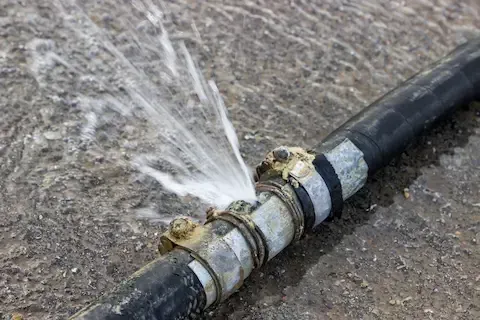
When a pipe bursts in your Grove City home, every minute counts. The average burst pipe can release hundreds of gallons of water per hour, turning a minor plumbing issue into a devastating flood that damages floors, walls, furniture, and personal belongings. Understanding what to do in those critical first moments can mean the difference between a manageable repair and thousands of dollars in water damage restoration costs.
Burst pipes don't discriminate by season in Grove City, Ohio. While winter freeze-thaw cycles create obvious risks, summer heat expansion, aging infrastructure, and sudden pressure changes can cause pipes to fail year-round. The key to minimizing damage lies in swift action, knowing when to attempt temporary fixes versus calling professionals, and understanding the insurance and recovery process.
Immediate Emergency Response Steps
The moment you discover a burst pipe, your priority shifts to damage control. Turn off the main water supply immediately. Most Grove City homes have the main shutoff valve near the water meter, typically located near the street or where the main water line enters your home. If you cannot locate this valve quickly, call the city water department for assistance.
After stopping the water flow, turn off electricity to any affected areas. Water and electricity create deadly combinations, and standing water near outlets, appliances, or electrical panels requires immediate power disconnection. Use the circuit breaker panel to shut off power to specific areas rather than the entire house if possible.
Document everything immediately. Take photos and videos of the burst pipe, water damage, and affected belongings before moving anything. This documentation proves invaluable for insurance claims and helps restoration professionals assess the scope of damage. Include timestamps and capture multiple angles of the damage.
Remove standing water as quickly as possible. Use buckets, mops, towels, or a wet vacuum to extract water from affected areas. The longer water sits, the more damage it causes to flooring, subflooring, and structural elements. Pay special attention to areas where water might seep into walls or under flooring.
Assessing the Damage and Safety Risks
Not all burst pipes create equal emergencies. A small leak in an exposed pipe under a kitchen sink requires different handling than a major line break in your basement or crawl space. Evaluate the water volume, affected areas, and potential safety hazards before determining your next steps.
Check for structural concerns. Large water volumes can compromise flooring, especially in older Grove City homes with hardwood floors or homes built on crawl spaces. Look for sagging, warping, or soft spots that might indicate structural damage. If you notice any structural issues, evacuate the area and consult professionals immediately.
Identify contamination risks. Clean water from supply lines poses different health risks than water from drain lines or sewer backups. If the burst involves waste water or occurs near sewage systems, treat the area as contaminated and avoid direct contact. Professional cleanup becomes essential in these situations.
Evaluate electrical hazards throughout the affected area. Water damage often extends beyond the immediate burst location, seeping into walls and reaching electrical components you might not immediately notice. If you smell gas or notice any electrical anomalies, evacuate and call emergency services.
Temporary Repairs and Damage Control
While waiting for professional help, several temporary measures can minimize ongoing damage. For small leaks or cracks, pipe clamps, rubber patches, or even heavy-duty tape can provide short-term solutions. These fixes buy time but should never be considered permanent repairs.
Create drainage pathways to direct water away from valuable items and structural elements. Use towels, plastic sheeting, or buckets to channel water toward drains or outside areas. This prevents water from pooling and causing additional damage to floors or furnishings.
Begin the drying process immediately. Open windows, run fans, and use dehumidifiers if available. Mold growth begins within 24-48 hours in moist environments, making rapid drying essential. Remove wet carpets, padding, and porous materials that cannot be adequately dried.
For frozen pipes that have burst, never use open flames or high heat to thaw remaining ice. Instead, use hair dryers, heat lamps, or warm towels to gradually raise pipe temperatures. Sudden temperature changes can cause additional pipe failures in already compromised systems.
When to Call Professional Help
Certain burst pipe situations require immediate professional intervention. Major line breaks, pipes within walls or concrete slabs, or situations involving significant water volume exceed typical DIY capabilities. Professional plumbers have specialized equipment for water extraction, pipe location, and complex repairs.
Consider the location of the break when deciding on professional help. Pipes under concrete foundations, within finished walls, or in crawl spaces often require specialized tools and techniques for access and repair. Attempting DIY repairs in these situations frequently causes more damage than the original problem.
Water damage restoration often requires professional services regardless of your plumbing repair skills. Proper drying, mold prevention, and structural assessment require specialized equipment and expertise. Many homeowner insurance policies require professional assessment and remediation for water damage claims.
Time sensitivity plays a crucial role in this decision. If you cannot complete repairs within a few hours, or if the damage affects multiple rooms or structural elements, professional help becomes necessary. The cost of professional services often proves less expensive than extensive secondary damage from delayed repairs.
Insurance Claims and Documentation
Contact your insurance company as soon as you have addressed immediate safety concerns. Most policies require prompt notification of water damage claims, and delays can complicate or even invalidate your coverage. Have your policy number and detailed damage documentation ready when you call.
Understand your coverage limitations before assuming full protection. Standard homeowner policies typically cover sudden, accidental water damage but may exclude gradual leaks, flooding, or damage from lack of maintenance. Review your policy details or ask your agent about specific coverage for your situation.
Keep detailed records of all expenses related to the burst pipe incident. This includes emergency plumbing services, water damage restoration, temporary lodging if necessary, and replacement of damaged belongings. These costs may be recoverable through your insurance policy.
Work cooperatively with insurance adjusters while protecting your interests. Provide requested documentation promptly, but don't accept initial settlements without fully understanding the extent of damage. Hidden damage often appears days or weeks after the initial incident, and premature settlements can leave you responsible for these additional costs.
Prevention and Long-term Considerations
Grove City's climate creates specific risks for pipe failures. Winter temperatures frequently drop below freezing, while summer heat can cause pipe expansion and joint failures. Understanding these seasonal patterns helps homeowners take appropriate preventive measures throughout the year.
Regular maintenance significantly reduces burst pipe risks. Annual plumbing inspections can identify potential problem areas before they fail catastrophically. Pay attention to water pressure changes, unusual sounds, or signs of moisture around pipes as early warning indicators.
Consider upgrading older plumbing systems if your home has galvanized steel or other outdated materials. Modern PEX or copper systems offer better freeze resistance and longer lifespans than older materials. While upgrades require significant investment, they provide peace of mind and often reduce insurance premiums.
Install water detection systems and automatic shutoff valves for enhanced protection. These systems can detect leaks early and automatically stop water flow, minimizing damage when you're away from home. Many insurance companies offer discounts for homes with these protective systems.
Recovery and Restoration Process
Water damage recovery extends well beyond initial repairs and cleanup. Complete restoration may take weeks or months, depending on the extent of damage and the thoroughness of the drying and repair process. Patience and attention to detail during this phase prevent long-term problems like mold growth or structural issues.
Monitor affected areas for signs of ongoing problems even after professional restoration appears complete. Watch for musty odors, new stains, or soft spots that might indicate incomplete drying or hidden damage. Address any concerns immediately rather than hoping they resolve themselves.
Consider improvements during the restoration process that might prevent future incidents. This might include better pipe insulation, upgraded fixtures, or improved drainage around your property. Many homeowners find that recovery from a burst pipe provides an opportunity to upgrade systems they had been planning to replace anyway.
Document the entire recovery process for future reference and potential warranty claims. Keep receipts, photos, and contact information for all professionals involved in the restoration. This information proves valuable if problems arise later or if you need references for who to call for plumbing emergencies in the future.
Professional Resources in Grove City
Building relationships with reliable service providers before emergencies occur saves valuable time during crisis situations. Research local plumbers, water damage restoration companies, and contractors who serve Grove City so you have contacts readily available when needed.
Understand the difference between emergency services and regular repair services. Emergency plumbers typically charge premium rates but provide immediate response when you need Burst Pipe Repair services. Weigh these costs against the potential for increased damage from delays in non-emergency situations.
Grove City's municipal services can provide assistance in certain situations, particularly when main line breaks affect multiple properties or when weather-related incidents overwhelm local infrastructure. Know how to contact city services and understand what situations warrant their involvement versus private contractor services.
Burst pipes represent one of the most common yet potentially devastating home emergencies Grove City residents face. Success in managing these situations comes from preparation, quick action, and knowing when to seek professional help. The minutes immediately following discovery of a burst pipe often determine whether you face minor inconvenience or major disaster. By understanding proper emergency procedures, having professional contacts ready, and maintaining appropriate insurance coverage, you can navigate these challenging situations with confidence and minimize both damage and recovery time.
