Grove City Sewer Backup Repair: A Homeowner's Guide
Understanding Sewer Backup Emergencies in Grove City
Sewer backups represent one of the most urgent plumbing emergencies you can face as a Grove City homeowner. When sewage begins flowing back through your drains, toilets, or basement floor drains, immediate action becomes critical to protect your property and health. These incidents typically occur without warning and can quickly escalate from a minor inconvenience to a major disaster requiring extensive cleanup and repair.
Raw sewage contains dangerous bacteria, viruses, and other pathogens that pose serious health risks to your family. Beyond the immediate health concerns, sewer backups can cause thousands of dollars in property damage, contaminate personal belongings, and create long-lasting odor problems throughout your home. Understanding how to respond quickly and effectively can minimize both health risks and financial losses.
Grove City's aging sewer infrastructure, combined with heavy rainfall events and seasonal ground shifts, creates unique challenges for homeowners. The city's mix of older residential areas and newer developments means that sewer systems of varying ages and materials serve different neighborhoods, each with distinct vulnerabilities to backup incidents.
Immediate Response Protocol for Sewer Backups
When you discover sewage backing up into your home, your first priority must be ensuring family safety. Evacuate all family members and pets from affected areas immediately, as exposure to raw sewage can cause serious illness. Children and elderly family members face particularly high risks from sewage exposure and should be kept away from contaminated areas until professional cleanup is complete.
Turn off electricity to affected areas if standing water is present, but only if you can safely reach the electrical panel without walking through contaminated water. If sewage has reached electrical outlets, appliances, or the furnace area, contact your utility company for guidance before attempting to shut off power. Water and electricity create deadly combinations that require professional assessment.
Document the extent of damage immediately by taking photos and videos from multiple angles. Insurance claims often require detailed documentation of both the initial damage and cleanup efforts. Focus on capturing the sewage level, affected rooms, damaged belongings, and any visible plumbing issues that may have contributed to the backup.
Contact a professional Sewer Backup Repair service immediately, as time-sensitive response can significantly reduce cleanup costs and health risks. Many Grove City plumbing professionals offer 24-hour emergency response specifically for sewage backup situations, understanding that delays can exponentially increase damage and restoration costs.
Safety Equipment and Precautions
If you must enter affected areas before professional help arrives, proper protective equipment becomes essential. Wear rubber boots, waterproof gloves, eye protection, and an N95 respirator mask at minimum. Change clothes immediately after any contact with contaminated areas and wash exposed skin thoroughly with antibacterial soap and hot water.
Avoid using fans or heating systems that could spread contaminated airborne particles throughout your home. Open windows in unaffected areas to improve ventilation, but keep doors closed between contaminated and clean areas to prevent cross-contamination.
Common Causes of Grove City Sewer Backups
Municipal sewer system overloads frequently cause backup problems in Grove City neighborhoods, particularly during heavy rainfall events that can overwhelm storm water management systems. When municipal systems reach capacity, sewage can reverse flow through your home's connection point, affecting multiple properties simultaneously.
Tree root intrusion represents another major cause of sewer backups in Grove City's established neighborhoods. Mature trees seeking water sources can infiltrate sewer lines through small cracks or joint separations, eventually creating complete blockages that force sewage back toward your home. Oak, maple, and willow trees common in Grove City present particularly aggressive root systems that target sewer lines.
Understanding what causes sewer backup problems helps homeowners recognize warning signs before emergency situations develop. Early intervention through professional inspection can often prevent costly backup incidents.
Aging sewer infrastructure throughout Grove City creates ongoing vulnerability to backup incidents. Clay pipes installed in older neighborhoods can crack, separate, or collapse over time, creating restrictions that lead to sewage backups. Cast iron pipes in mid-century homes often develop rust buildup that gradually reduces flow capacity until backups occur.
Household Habits That Increase Backup Risk
Improper disposal practices significantly increase your risk of experiencing sewer backups. Flushing feminine hygiene products, baby wipes, or excessive toilet paper can create clogs in your lateral sewer line that eventually cause backups. Even products marketed as flushable often fail to break down adequately in sewer systems.
Grease disposal down kitchen drains creates another common pathway to sewer backups. As cooking oils cool in sewer lines, they solidify and trap other debris, gradually building blockages that restrict flow and increase backup pressure. This problem becomes particularly acute during holiday cooking seasons when grease disposal increases substantially.
Professional Repair and Restoration Process
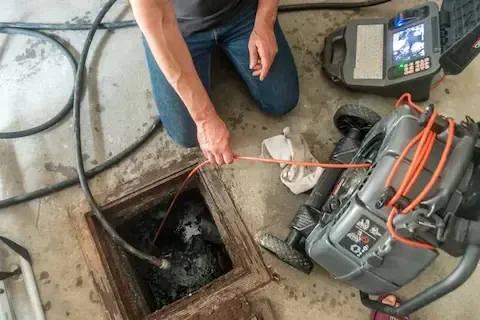
Professional sewer backup repair begins with comprehensive damage assessment using specialized equipment to determine the extent of contamination and identify underlying causes. Thermal imaging cameras can detect moisture behind walls, while air quality testing reveals contamination levels that affect cleanup protocols.
Water extraction represents the first active restoration step, utilizing powerful pumps and vacuums designed specifically for sewage removal. Professional-grade equipment can remove standing sewage much more effectively than household wet vacuums, which lack the power and filtration systems necessary for safe sewage handling.
Antimicrobial treatment follows water removal, targeting dangerous bacteria and viruses present in sewage contamination. Professional restoration companies use hospital-grade disinfectants applied through specialized fogging equipment that reaches contaminated areas behind walls and under flooring that standard cleaning cannot address.
Structural drying requires industrial dehumidifiers and air movers positioned strategically throughout affected areas. Sewage contamination often penetrates porous materials like drywall, insulation, and subflooring, requiring controlled drying processes that prevent mold growth while removing moisture completely.
Repair Scope and Timeline Expectations
Minor sewer backups affecting only hard surfaces may require 3-5 days for complete restoration, while major incidents involving carpet, drywall, and insulation replacement can extend 2-3 weeks or longer. Timeline varies significantly based on contamination extent, affected materials, and required structural repairs.
Sewer line repairs may require excavation to access damaged pipes, particularly in Grove City's older neighborhoods where lateral lines run deeper than modern installations. Trenchless repair options can sometimes avoid extensive excavation, but severe damage or collapsed pipes often require traditional dig-and-replace methods.
Insurance Coverage and Financial Considerations
Standard homeowners insurance policies often exclude sewer backup damage, requiring separate sewer backup coverage for protection against these incidents. Review your policy carefully with your insurance agent to understand exactly what coverage you have and consider adding sewer backup protection if it's not included.
Sewer backup insurance typically covers cleanup costs, damaged personal property, and temporary living expenses if your home becomes uninhabitable. However, coverage limits vary significantly between policies, and some exclude certain types of damage or impose waiting periods before coverage begins.
Municipal liability for sewer backups depends heavily on the specific cause and location of the problem. Grove City may bear responsibility for backups caused by municipal system failures, but homeowners typically remain responsible for issues originating in their lateral sewer lines or caused by household practices.
Emergency response costs can escalate quickly, with initial cleanup and water extraction often costing $3,000-7,000 for moderate incidents. Extensive contamination requiring complete room restoration can reach $15,000-30,000 or more, depending on affected square footage and required structural repairs.
Cost-Saving Strategies and Prevention Investments
Installing a sewer backup prevention system can significantly reduce your risk of future incidents while potentially qualifying for insurance discounts. Backwater valves, sump pump systems, and floor drain plugs represent relatively modest investments compared to cleanup costs from major backup incidents.
Regular sewer line maintenance through professional cleaning and inspection helps identify potential problems before they cause backups. Annual or bi-annual cleaning services typically cost $200-400 but can prevent thousands in emergency repair costs.
Prevention Strategies for Grove City Homeowners
Proactive sewer line maintenance represents your best defense against backup emergencies. Schedule professional sewer cleaning every 18-24 months to remove accumulated debris before it creates blockages. Grove City's seasonal weather patterns, including freeze-thaw cycles and heavy spring rains, make regular maintenance particularly important for preventing backup incidents.
Install drain covers and screens throughout your home to prevent hair, food particles, and other debris from entering your sewer system. Pay particular attention to basement floor drains, which often provide the first indication of sewer backup problems but can be protected with simple screening devices.
Landscape management around your property can significantly reduce tree root intrusion into sewer lines. Avoid planting trees with aggressive root systems near your sewer line path, and consider installing root barriers if existing trees pose threats to your lateral sewer connection.
Water usage management during heavy rainfall events can reduce stress on Grove City's municipal sewer system. Postponing laundry, dishwashing, and long showers during storm events helps prevent system overloads that can cause neighborhood-wide backup problems.
Early Warning System Installation
Sewer backup alarms provide advance warning of rising sewage levels in basement floor drains, allowing you to take protective action before major backups occur. These battery-powered devices sound alerts when water reaches predetermined levels, providing crucial time to evacuate valuables and contact emergency services.
Smart home integration can connect sewer backup detection to your phone, providing instant notifications even when you're away from home. Early notification allows you to shut off water usage, contact professional services, and begin protective measures that can significantly reduce damage severity.
Working with Grove City Municipal Services
Grove City's Public Service Department maintains responsibility for municipal sewer lines up to your property connection point. When backup problems stem from municipal system issues, prompt reporting helps the city respond quickly while documenting your case for potential damage claims.
Understanding the boundary between municipal and private responsibility helps determine who bears liability for backup incidents and repairs. Generally, homeowners own and maintain the lateral sewer line from their home to the municipal connection point, while the city maintains main lines and collection systems.
Grove City offers resources for homeowners dealing with sewer backup issues, including information about prevention programs, emergency response procedures, and available financial assistance for qualifying repairs. The city's website provides contact information for emergency reporting and guidance for documenting backup incidents.
Permit requirements for major sewer repairs or upgrades must be obtained through Grove City's building department. Professional plumbing contractors familiar with local requirements can help navigate the permitting process while ensuring repairs meet current code standards.
Long-term Property Protection Planning
Developing a comprehensive sewer backup response plan helps minimize damage and stress during emergency situations. Include emergency contact numbers for plumbing professionals, your insurance company, and utility services, along with a checklist of immediate response actions.
Document your home's sewer system layout, including cleanout locations, shut-off valve positions, and any previous repair history. This information proves invaluable during emergency situations when quick access to system components can prevent extensive damage.
Consider upgrading older sewer connections if your Grove City home has clay or cast iron lateral lines approaching the end of their useful life. Modern PVC or HDPE pipe installations offer superior longevity and resistance to root intrusion compared to traditional materials.
Emergency supply preparation should include basic protective equipment, documentation materials, and temporary water sources for essential needs during extended repair periods. Having these supplies readily available can significantly reduce stress and health risks during backup emergencies.
