Spring Plumbing Emergencies in Grove City OH Homes
Spring's arrival in Grove City, Ohio brings warming temperatures, melting snow, and unfortunately, a significant increase in plumbing emergencies. The combination of freeze-thaw cycles, shifting foundations, and increased water pressure from snowmelt creates perfect conditions for plumbing disasters. Understanding what to watch for and how to respond can save you thousands of dollars in water damage and repair costs.
The Science Behind Spring Plumbing Problems
Winter's harsh conditions in central Ohio create stress on your home's plumbing system that often doesn't manifest until spring thaw begins. Frozen pipes that seemed fine all winter can develop hairline cracks that only leak when water flows again. Ground movement from repeated freeze-thaw cycles shifts pipe connections, loosening joints that held tight through the cold months.
Grove City's clay-heavy soil compounds these issues. As temperatures fluctuate between freezing and thawing throughout late winter and early spring, the clay expands and contracts dramatically. This movement puts tremendous pressure on underground water lines and sewer connections, often causing breaks that surface as mysterious wet spots in your yard or sudden drops in water pressure.
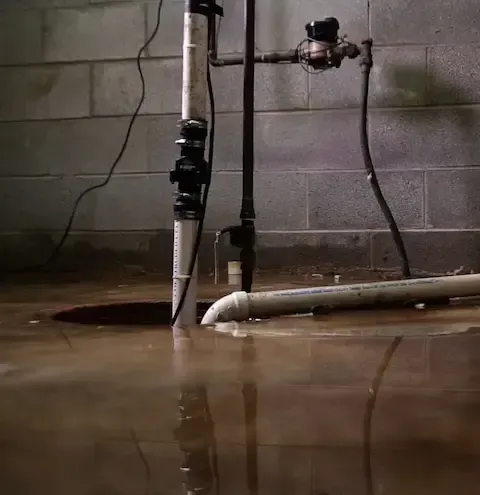
Increased groundwater from snowmelt also plays a role. Your sump pump, which may have sat idle through the winter, suddenly faces its biggest challenge of the year. Many homeowners discover their Emergency Plumber needs when spring's first heavy rain overwhelms a failed sump system.
Most Common Spring Emergency Situations
Burst pipes top the list of spring plumbing emergencies in Grove City homes. These typically occur in three scenarios: pipes that froze but didn't burst immediately, pipes in crawl spaces or basements where temperature fluctuations are most extreme, and outdoor spigots that homeowners turn on too early in the season before ensuring winter damage hasn't occurred.
Sewer line backups become frequent spring problems as tree roots, dormant through winter, begin aggressive spring growth. Combined with ground movement and potential line damage from freezing, these roots can quickly block main sewer lines. The first warm weekend when everyone starts spring cleaning often reveals these issues simultaneously across Grove City neighborhoods.
Water heater failures spike in spring as units that worked overtime heating cold water all winter finally give out. The combination of hard winter use and sudden temperature changes can cause tank failures, heating element burnouts, or connection leaks that create basement flooding emergencies.
Foundation and basement water intrusion increases dramatically as snowmelt and spring rains test waterproofing that may have been compromised by winter's freeze-thaw cycles. What starts as a small seepage can quickly become a major flood requiring emergency intervention.
Warning Signs to Monitor Closely
Watch for water pressure changes throughout your home. Sudden drops often indicate line breaks or leaks developing underground. Similarly, unexplained increases in your water bill during months when usage should be decreasing can signal hidden leaks that winter damage has created.
Unusual sounds deserve immediate attention. Gurgling drains, running water sounds when no fixtures are in use, or new creaking and settling noises can all indicate developing problems. In Grove City's older neighborhoods, these sounds often precede major plumbing failures by just days or weeks.
Moisture where it shouldn't be is always concerning. Check basement walls, crawl spaces, and areas around your water heater weekly during spring thaw. Even small amounts of moisture can indicate major problems developing behind walls or underground.
Immediate Response Strategies
When you discover a plumbing emergency, your first priority is stopping water flow and preventing further damage. Know where your main water shutoff is located and ensure all family members can operate it. For localized issues, shut off water to the affected fixture or area immediately.
Document everything for insurance purposes before beginning cleanup. Take photos and videos of the damage, water levels, and affected items. Many Grove City homeowners have found this documentation critical for successful insurance claims, especially when spring flooding affects finished basements or valuable stored items.
Move belongings to safety quickly but safely. Water and electricity create deadly combinations, so never wade into flooded areas where electrical outlets, appliances, or wiring might be submerged. When in doubt, shut off electricity to affected areas at the breaker box.
Begin water removal and drying immediately to prevent mold growth. Ohio's humid spring conditions can trigger mold development within 24-48 hours of water exposure. Use fans, dehumidifiers, and open windows when weather permits to promote drying.
Professional vs. DIY Decisions
Some spring plumbing issues require immediate professional intervention. Sewer backups, gas water heater problems, main line breaks, and any situation involving significant water volume should prompt an immediate call to emergency plumbing services. These situations can quickly escalate beyond homeowner capabilities and may involve health or safety hazards.
However, you can handle some preparatory steps while waiting for professional help. Turning off water supplies, beginning water removal with shop vacuums or mops, and moving belongings to safety are all appropriate homeowner responses that can minimize damage.
Prevention and Preparation Strategies
Spring preparation should begin in late winter. Test your sump pump by pouring water into the pit to ensure proper operation. Check exposed pipes in basements, crawl spaces, and garages for any signs of damage or moisture. Inspect outdoor faucets and hose connections for cracks or leaks before first use.
Schedule professional inspections for high-risk systems. In Grove City, this is particularly important for homes built before 1990, which may have older pipe materials more susceptible to freeze-thaw damage. A professional assessment can identify potential problems before they become emergencies.
Maintain proper drainage around your home's foundation. Clean gutters and downspouts, ensure proper grading directs water away from your foundation, and clear any debris from basement window wells. These steps significantly reduce the risk of foundation water intrusion during spring thaw and rain events.
Consider upgrading vulnerable components. If your water heater is more than 8 years old, replacing it proactively during non-emergency conditions costs significantly less than emergency replacement during a failure. Similarly, upgrading old galvanized pipes or installing backup sump pump systems provides crucial protection.
Cost Considerations and Insurance Factors
Spring plumbing emergencies often involve higher costs due to their urgent nature and the potential for water damage. Emergency service calls typically cost 50-100% more than scheduled repairs, and water damage restoration can quickly reach thousands of dollars. Understanding your emergency plumbing cost breakdown here helps you make informed decisions during crisis situations.
Review your homeowner's insurance policy before emergencies occur. Many policies cover sudden pipe bursts but exclude damage from neglected maintenance or gradual leaks. Understanding these distinctions helps you prioritize which problems require immediate professional attention versus those you might address over time.
Document your home's plumbing system with photos and maintenance records. This information proves valuable for insurance claims and helps emergency plumbers work more efficiently when time is critical.
Working with Emergency Services
When calling emergency plumbing services, provide specific information about the problem, actions you've taken, and any immediate safety concerns. Clear communication helps dispatchers prioritize your call and ensures the responding plumber brings appropriate equipment and expertise.
Prepare access to affected areas by removing stored items and clearing pathways. Emergency plumbers work most efficiently when they can immediately access problem areas without navigating obstacles or waiting for homeowners to clear spaces.
Spring plumbing emergencies in Grove City homes are largely predictable and preventable with proper preparation and maintenance. However, when emergencies do occur, quick thinking, immediate action, and professional assistance can significantly minimize damage and costs. The key lies in understanding your home's vulnerabilities, monitoring for warning signs, and responding decisively when problems develop.
