
Summer Plumbing Emergencies in Grove City OH Homes
Summer in Grove City, OH brings backyard cookouts, pool days, and longer evenings on the porch. It also brings a predictable surge in plumbing emergencies that catch homeowners completely off guard. Warmer weather changes how your plumbing system behaves, how much water your household uses, and which components are most likely to fail. Understanding the seasonal risks before a crisis hits can mean the difference between a minor inconvenience and a flooded basement or burst pipe situation that costs thousands of dollars to repair.
Why Summer Creates More Plumbing Stress Than You Might Expect
Most people associate plumbing emergencies with winter freezes, but summer creates its own category of plumbing stress. The combination of increased household water demand, ground movement from heat and dryness, and appliances working overtime puts real pressure on aging and even newer plumbing systems. In Grove City neighborhoods, where many homes were built between the 1970s and 1990s, older supply lines, galvanized pipes, and original sewer connections are particularly vulnerable during peak summer months.
Household water usage typically spikes 25 to 40 percent during summer. Gardens, lawn irrigation, filling pools, frequent showers after outdoor activities, and guests visiting all push plumbing systems beyond their normal daily load. That extra demand exposes weaknesses that go unnoticed during quieter seasons.
The Most Common Summer Plumbing Emergencies in Grove City
Knowing what typically goes wrong helps you stay alert to early warning signs. These are the emergencies that Grove City plumbers field most frequently from June through August:
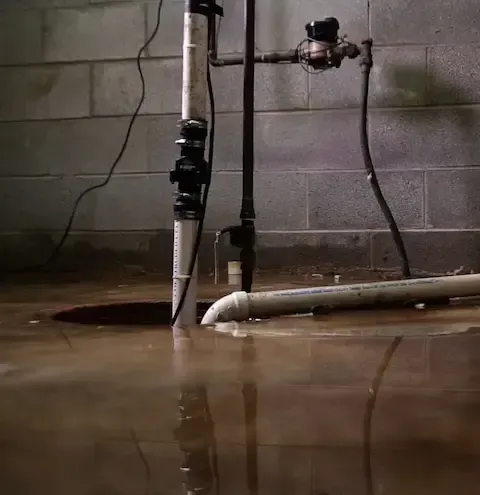
- Sump pump failures: Summer storms in central Ohio can drop significant rainfall in short windows. If your sump pump is aging, hasn't been tested recently, or loses power during a storm, basement flooding can happen fast. This is one of the most urgent calls plumbers receive during summer storm season.
- Main sewer line backups: Heavy rains saturate the ground around older clay or cast iron sewer lines. Tree roots take advantage of cracked joints and grow inward, restricting flow. Combined with higher household usage, the result is sewage backing up into basement floor drains or lower-level toilets.
- Water heater failures: Sediment buildup worsens over time, and summer is often when water heaters that have been struggling finally give out. Rumbling noises, inconsistent hot water, or visible corrosion around the tank are signs that trouble is close.
- Outdoor hose bib and irrigation leaks: Hose bibs that weren't winterized properly, or irrigation systems that weren't professionally inspected before the season started, can develop leaks that run silently for weeks before someone notices the water bill.
- Garbage disposal jams and failures: Summer gatherings mean more food waste. Corn husks, melon rinds, and fibrous produce are common culprits in disposal failures. What starts as a slow drain becomes a full kitchen backup during dinner preparation.
- Toilet clogs and running toilets: Higher occupancy during summer, especially with kids home from school, puts more strain on toilets. Running toilets waste hundreds of gallons per day and often go unnoticed until the water bill arrives.
Ground Movement and Its Effect on Pipes in Grove City
Grove City and the broader Franklin County area sit on soil that contracts significantly during dry summer stretches. Extended heat and drought cause the ground to shift, and that movement puts stress on buried pipes, particularly older clay sewer laterals. When the ground compresses and shifts, pipe joints can separate or crack in ways that aren't visible from inside the home. Slow drains that gradually worsen throughout summer, unexplained wet patches in the yard, or areas of grass that stay unusually green and lush can all point to a damaged underground line. An Emergency Plumber familiar with Grove City's soil conditions will know exactly what to look for when these symptoms appear.
What to Do When a Summer Plumbing Emergency Hits
Acting quickly and correctly in the first few minutes of a plumbing emergency limits damage and gives a plumber the best conditions to work in when they arrive.
- Shut off the water supply: Know where your main shutoff valve is before you need it. In most Grove City homes, it's located near the water meter or in the basement utility area. Turning it off immediately stops a running leak from escalating into a flood.
- Don't run water if drains are backing up: If your floor drain is backing up or toilets are overflowing, stop using all water fixtures until the blockage is cleared. Running more water into a backed-up system only worsens the overflow.
- Document the damage: Take photos before you begin any cleanup. This matters for insurance claims and helps your plumber assess the scope of what happened.
- Call a licensed plumber promptly: Summer emergencies that sit unaddressed for hours become more expensive and more damaging. A prompt call to a local plumber means faster response and less secondary damage to flooring, drywall, and personal property.
Seasonal Maintenance That Reduces Summer Emergency Risk
The most effective strategy for avoiding summer plumbing emergencies is prevention. A few targeted maintenance steps taken before the season peaks can dramatically reduce the chance of an urgent call at an inconvenient time.
Test your sump pump by pouring water into the pit and confirming it activates and drains properly. Have older sewer lines inspected with a camera if you're in a neighborhood with mature trees, which is common throughout Worthington Estates, Pinnacle Club, and older sections of Grove City near Hoover Road. Check hose bibs for drips and confirm irrigation systems are properly sealed at all connections. Flush your water heater tank to clear sediment and inspect the anode rod. These are straightforward steps that a licensed plumber can handle during a single seasonal maintenance visit.
Reading about how to choose the right plumber before an emergency occurs is also a smart move. Having a trusted local plumber identified in advance means you're not searching blindly when water is already flowing where it shouldn't.
Why Local Knowledge Matters in a Summer Emergency
Grove City has its own infrastructure history, soil characteristics, and common plumbing setups that a locally experienced plumber understands intuitively. A plumber who works regularly in this area knows which subdivisions tend to have older galvanized supply lines, which streets have recurring sewer root intrusion issues, and how the area's storm patterns affect sump pump load during summer. That local familiarity translates directly into faster diagnosis and more accurate repair decisions when you're dealing with a crisis.
Summer plumbing emergencies in Grove City are predictable in the sense that they follow consistent seasonal patterns. You may not know exactly when or what will fail, but you can be confident that the risk is real and that preparation is the most practical response. Take the seasonal maintenance steps seriously, know your shutoff valve, and have a trusted local plumber's number saved before the temperatures climb.
