
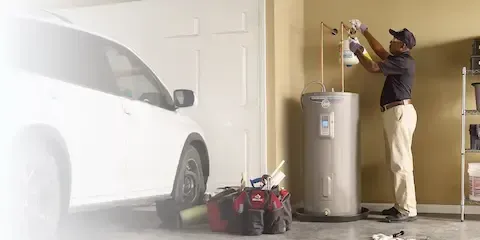
Water Heater Emergency in Grove City OH: What to Do
A water heater emergency can disrupt your entire household within minutes. Whether you are dealing with a flooded utility room, scalding water coming from your taps, or a unit that simply stopped working on a cold morning, knowing how to respond quickly can prevent serious damage and keep your family safe. Homeowners in Grove City, OH face these situations more often than they expect, and being prepared before a crisis hits makes a real difference in how the situation unfolds.
Recognizing a True Water Heater Emergency
Not every water heater problem qualifies as an emergency, but several situations demand immediate action. Understanding the difference helps you respond appropriately without wasting time or putting your household at risk.
A gas leak is the most serious emergency you can face with a water heater. If you smell rotten eggs or sulfur near your unit, do not attempt to diagnose or repair anything yourself. Leave the home immediately, avoid using light switches or electrical devices on your way out, and call your gas utility from outside or from a neighbor's home.
Standing water around your water heater is another serious sign. A small puddle can become significant flooding within hours if a tank has ruptured or a fitting has failed. Water near electrical panels, furnaces, or finished flooring creates compounding damage that escalates repair costs rapidly.
Scalding water from taps indicates a malfunctioning thermostat or a failed temperature and pressure relief valve. This is a safety hazard, particularly in homes with children or elderly residents. Extremely hot water can cause serious burns and should be addressed the same day it is noticed.
No hot water at all may seem less urgent than the scenarios above, but in colder months in Grove City, Ohio, a complete loss of hot water affects bathing, dishwashing, laundry, and household sanitation. This situation typically warrants same-day service rather than waiting several days for a scheduled appointment.
First Steps to Take Before Help Arrives
When you identify a water heater emergency, the steps you take in the first few minutes can limit damage and make the repair process faster and safer.
The first priority is to shut off the water supply to the unit. Most tank water heaters have a dedicated cold water shutoff valve located above or directly beside the unit. Turn it clockwise until it stops. If you cannot locate it or it is stuck, locate the main water shutoff for your home and shut that off instead.
If your water heater runs on natural gas, turn the thermostat dial to the pilot position before any extended shutoff. If you suspect a gas leak, skip this step entirely and evacuate rather than getting close to the unit. For electric water heaters, go to your electrical panel and switch off the dedicated breaker for the water heater. Running the heating element without water can damage the unit beyond repair.
If there is standing water on the floor, avoid entering the area if the water heater is electric and the water has reached any electrical outlet or panel. Electricity and water together create a serious shock hazard. Wait until the power is confirmed off before entering.
Once the immediate risks are under control, take photos of the damage. This helps the technician when they arrive and is useful documentation for any insurance claim you may need to file.
Common Causes of Water Heater Emergencies
Understanding why these emergencies happen can help you prevent them in the future and explain what your repair technician may find when they assess your unit.
Sediment buildup is one of the leading causes of water heater failure in central Ohio. Over time, minerals in the water settle at the bottom of the tank, creating an insulating layer that forces the heating element or burner to work harder. This accelerates wear, causes overheating, and can eventually crack the tank lining. Grove City and the surrounding Franklin County area draw water that can carry mineral content, making annual flushing a worthwhile maintenance step.
A failed temperature and pressure relief valve is another common culprit. This safety device is designed to release pressure if the tank overheats. When it fails, pressure can build to dangerous levels. When it sticks open, water leaks continuously from the discharge pipe. Either condition requires prompt attention.
Anode rod depletion is a slower-developing issue that eventually leads to emergency conditions. The anode rod inside your tank is designed to corrode sacrificially, protecting the tank walls from rust. When the rod is depleted, the tank itself begins to corrode from the inside. The first signs are often rust-colored water, a rotten egg odor, or a tank that begins to leak from the seams.
Faulty thermostats on electric units and pilot light or igniter problems on gas units can cause sudden loss of hot water. These are often repairable without replacing the entire unit if caught early enough.
When Repair Makes Sense Versus Full Replacement
One of the most common questions homeowners ask during a water heater emergency is whether to repair the existing unit or replace it entirely. The answer depends on several factors.
Age is the primary consideration. Most tank water heaters have a service life of eight to twelve years. If your unit is approaching or past that range and has experienced a significant failure, replacing it often makes more financial sense than investing in repairs that may only delay the inevitable. Newer units are also significantly more energy efficient, which can reduce monthly utility costs.
The nature of the failure matters as well. A failed heating element, a worn thermostat, or a faulty pilot assembly are relatively inexpensive repairs. A cracked or rusted tank, however, is not economically repairable. Once the tank structure is compromised, replacement is the only safe option.
If you have a warranty on your current unit, check its terms before authorizing any work. Some manufacturers offer coverage on parts or labor that can offset repair costs substantially. A qualified technician can help you assess whether a warranty claim is worth pursuing.
For Grove City homeowners who are replacing a unit, consider whether a tankless water heater might be a better fit for your household. Tankless systems heat water on demand, eliminate the risk of tank rupture, and have longer service lives than traditional units. However, the upfront installation cost is higher, and homes with high simultaneous hot water demand may require multiple units or a system upgrade.
What to Expect From Same-Day Water Heater Service
When you call for emergency water heater service, knowing what to expect helps you communicate clearly and ensures the technician arrives with the right parts and equipment.
Be ready to describe the symptoms accurately. Note when the problem started, what you observed, whether there is visible leaking, and what type of fuel your unit uses. Mention the age of the unit if you know it. If the unit has a brand name and model number on the label, have that information ready as well.
A qualified technician will inspect the unit, diagnose the cause of the failure, and give you a written estimate before beginning work. In many emergency situations, common replacement parts such as heating elements, thermostats, and pressure relief valves are carried on the service vehicle. This allows repairs to be completed in a single visit rather than requiring a return trip.
If full replacement is recommended, the technician will discuss options appropriate for your home size, hot water demand, and available space. Installation of a new unit typically takes two to four hours, including draining and disconnecting the old unit, installing the new one, and testing all connections before leaving.
After service is complete, ask about maintenance practices that can extend the life of your unit. Flushing the tank annually, testing the pressure relief valve, and replacing the anode rod every few years are simple steps that significantly reduce emergency risk.
Why Local Expertise Matters in Grove City
Working with a plumber who is familiar with Grove City and the greater Columbus metro area means faster response, local parts availability, and a technician who understands regional water conditions. Local plumbing professionals are also familiar with permit requirements in Franklin County, which may apply to water heater replacements depending on the scope of work.
Grove City has grown significantly over the past decade, and with that growth has come an increased demand for reliable home service professionals. Choosing a locally established plumber rather than a large call center operation means you are more likely to reach someone who can respond the same day and who is accountable to the community they serve.
If you are facing a water heater emergency right now, the most important thing you can do is act quickly. Shut off the water and power or gas, document the damage, and call for professional help. Trying to repair a water heater without proper training can void warranties, create code violations, and create new hazards. Water Heater Emergency Service is available for Grove City residents who need fast, reliable response when their system fails.
If you want to understand how seasonal factors affect your unit's reliability, the spring water heater failure guide covers what to watch for as weather conditions change and how to prepare your system before problems develop.
Staying Ahead of the Next Emergency
The best emergency is the one that never happens. Once your current crisis is resolved, take a few steps to reduce the likelihood of a repeat event. Schedule an annual maintenance visit to flush sediment, inspect the anode rod, and test all safety components. Know where your shutoff valves are before you need them. Install a water detector alarm near the base of your water heater so you receive early warning of any leak before it becomes a flood.
Water heater emergencies in Grove City, OH are stressful, but they are manageable when you know what to do and who to call. Responding quickly, shutting off the right utilities, and reaching a qualified local plumber are the three steps that protect your home, your family, and your budget.
