
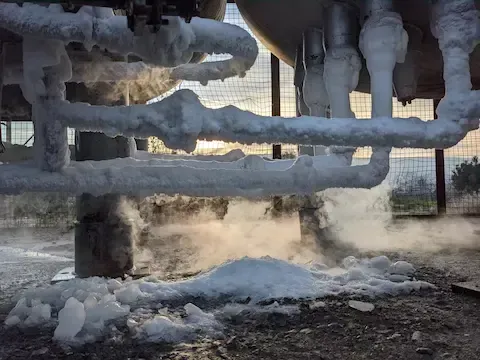
Preventing Frozen Pipes in Grove City OH This Spring
Understanding Grove City's Freezing Risk Factors
Grove City's climate presents unique challenges for homeowners when it comes to pipe protection. Winter temperatures frequently drop below freezing, and the combination of wind exposure and fluctuating temperatures creates ideal conditions for pipe freezing. Your home's plumbing system faces the greatest risk during those sudden temperature drops that catch unprepared pipes off guard.
The most vulnerable areas in your home include exterior walls, crawl spaces, attics, and unheated garages. Pipes running through these zones lack the protection of heated indoor air and insulation. Understanding which pipes face the highest risk helps you prioritize your prevention efforts and avoid the expense and inconvenience of dealing with burst pipes during the coldest months.
Central Ohio's weather patterns make prevention particularly important. The region experiences rapid temperature swings that can catch homeowners unprepared. When temperatures plummet overnight or during sudden cold snaps, pipes that seemed fine the day before can freeze solid within hours.
Insulation Strategies for Maximum Protection
Proper insulation serves as your first line of defense against frozen pipes. Focus on pipes located in unheated areas like basements, crawl spaces, and attics. Pipe sleeves, heat tape, and foam insulation provide effective protection when installed correctly. Pay special attention to pipes near exterior walls where cold air infiltration poses the greatest threat.
Foam pipe insulation offers an affordable and effective solution for most residential applications. Cut the foam to fit snugly around pipes, ensuring complete coverage without gaps. For pipes in extremely vulnerable locations, consider combining foam insulation with heat tape for additional protection. Heat tape requires careful installation according to manufacturer specifications to prevent fire hazards.
Don't overlook the importance of sealing air leaks around pipe penetrations. Cold air entering through small gaps around pipes can quickly lower temperatures enough to cause freezing. Use caulk or expanding foam to seal these openings and create a more controlled environment around your plumbing.
Strategic Water Flow and Temperature Management
Maintaining slight water movement through pipes during extreme cold prevents ice formation. Open cabinet doors under sinks to allow warm air circulation around pipes. This simple step keeps pipes near exterior walls warmer and reduces freezing risk. Focus on kitchen and bathroom sinks that sit against outer walls.
During particularly cold nights, allow faucets to drip slowly. Moving water requires much colder temperatures to freeze compared to standing water. The slight flow prevents ice crystals from forming and blocking the pipe. This technique works especially well for exposed pipes or those in unheated areas.
If you plan to be away from home during cold weather, maintain your thermostat at a reasonable temperature. Many homeowners make the mistake of turning heat too low when traveling, not realizing that pipes can freeze even when indoor temperatures drop into the 50s. Keep your home heated to at least 55 degrees to protect your plumbing system.
Outdoor Plumbing Winterization
Outdoor water connections require special attention before cold weather arrives. Disconnect and drain garden hoses completely, then store them in a protected area. Water remaining in hoses can freeze and expand back into your home's plumbing system, causing damage to interior pipes and fixtures.
Locate and shut off outdoor water supply valves, typically found inside your basement or crawl space. After closing these valves, open outdoor faucets to drain any remaining water from the lines. This prevents water from sitting in the pipes where it can freeze and expand.
Consider installing frost-free outdoor faucets if your home still has traditional spigots. These specialized faucets extend the shut-off valve inside your heated home, providing better protection against freezing. Professional installation ensures proper operation and maximum protection for your outdoor plumbing connections.
Emergency Preparation and Quick Response
Prepare for potential frozen pipe situations before they occur. Know the location of your main water shut-off valve and ensure all family members understand how to operate it. Quick action when pipes freeze can prevent minor problems from becoming major disasters requiring extensive Frozen Pipe Repair.
Keep a hair dryer or portable heater available for emergency pipe thawing. Never use open flames or high-heat sources that could damage pipes or create fire hazards. Gentle, controlled heat application works best for safely thawing frozen sections without causing pipe damage or dangerous pressure buildup.
If you discover a frozen pipe, act quickly but safely. Turn off water supply to that section if possible, then apply gentle heat starting from the faucet end and working toward the frozen area. This approach prevents pressure buildup that could cause pipes to burst when ice melts.
Grove City Climate Considerations
Grove City's position in central Ohio creates specific weather challenges that affect pipe freezing risk. The area experiences frequent freeze-thaw cycles that can be particularly damaging to plumbing systems. These temperature fluctuations cause pipes to expand and contract repeatedly, potentially weakening joints and connections over time.
Local building practices and home construction styles also influence freezing risk. Many Grove City homes feature crawl space foundations or basement plumbing that runs near exterior walls. Understanding your home's specific construction helps you identify the most vulnerable areas and target your prevention efforts effectively.
Pay attention to local weather forecasts and be prepared to take additional precautions during extreme cold warnings. Grove City typically sees its coldest temperatures in January and February, but surprise cold snaps can occur throughout the winter months. For comprehensive information about protecting your plumbing system, review our frozen pipe repair overview.
Professional Assessment and Maintenance
Schedule professional plumbing inspections before cold weather arrives to identify potential problem areas. Experienced plumbers can spot vulnerable pipe locations, inadequate insulation, and other risk factors that homeowners might miss. This proactive approach helps prevent costly repairs and water damage.
Regular maintenance of your heating system ensures consistent indoor temperatures that protect your plumbing. Clean furnace filters, check ductwork for leaks, and ensure proper airflow throughout your home. Well-maintained heating systems provide more reliable protection against pipe freezing during extreme weather events.
Consider upgrading older plumbing systems that show signs of vulnerability to freezing. Modern pipe materials and installation techniques offer better freeze resistance and easier maintenance. Professional consultation helps determine whether upgrades make sense for your specific situation and home construction type.
