
Grove City OH Frozen Pipe Repair: What to Do First
When winter temperatures drop below freezing in Grove City, Ohio, homeowners face the serious risk of frozen pipes. Water expands when it freezes, creating immense pressure that can crack or burst pipes, leading to extensive water damage and costly repairs. Acting quickly when you suspect frozen pipes can save you thousands of dollars in damage and prevent a plumbing emergency from becoming a disaster.
The key to managing frozen pipes effectively lies in early detection and immediate action. Grove City's winter weather patterns, with temperatures often dipping well below 32°F, create ideal conditions for pipe freezing, especially in unheated areas like basements, crawl spaces, attics, and exterior walls. Understanding what to do first when you discover frozen pipes can mean the difference between a minor inconvenience and a major home repair project.
Identifying Frozen Pipes in Your Grove City Home
The first step in addressing frozen pipes is recognizing the warning signs early. When you turn on a faucet and only a trickle of water emerges, or no water comes out at all, you likely have a frozen pipe somewhere in your system. This is especially common in Grove City homes during January and February when sustained cold snaps are most frequent.
Check faucets throughout your home systematically, starting with those along exterior walls or in unheated areas. Kitchen sinks under windows, bathroom fixtures on outer walls, and laundry room connections are prime locations for freezing. If water flows normally from some faucets but not others, you can narrow down the location of the frozen section.
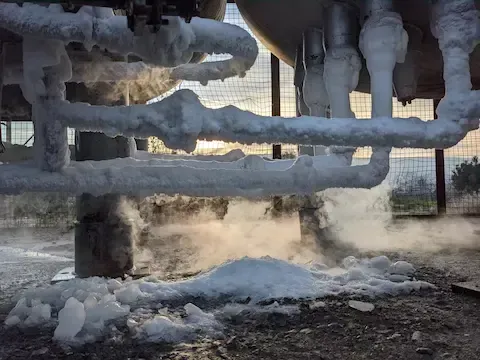
Listen for unusual sounds from your plumbing system. Pipes expanding and contracting due to ice formation often create creaking, popping, or banging noises. You might also notice frost formation on exposed pipes in basements, crawl spaces, or utility rooms. If you see bulging or cracked sections on visible pipes, this indicates the freezing process has already caused damage.
Strange odors coming from drains or faucets can signal a blockage caused by ice. When water cannot flow through frozen pipes, sewage gases may back up into your home. This situation requires immediate attention and professional Frozen Pipe Repair services to prevent health hazards and further damage.
Immediate Response When Pipes Freeze
Your first action when discovering frozen pipes should be locating your main water shut-off valve and turning off the water supply to your home. This prevents additional water from entering the system and reduces pressure on already-stressed pipes. The main shut-off is typically located near where the water line enters your house, often in the basement, crawl space, or near the water meter.
After shutting off the main water supply, open faucets connected to the frozen pipes. This allows expanding ice room to move and relieves pressure as the thawing process begins. Start with cold water faucets, then open hot water taps. Even if no water flows initially, keeping faucets open helps the system drain as ice melts and prevents pressure buildup that could burst pipes.
Begin warming the frozen pipe section immediately, but safely. Never use open flames, blowtorches, or other high-heat sources that could damage pipes or create fire hazards. Instead, apply gentle heat using a hair dryer, space heater positioned safely away from water, or warm towels soaked in hot water. Heat lamps can also provide consistent, safe warming for accessible pipe sections.
Work from the faucet end toward the frozen section, allowing melted water to flow out through the open tap. This prevents steam pressure buildup that could damage pipes or fittings. The thawing process may take several hours depending on the length of frozen pipe and ambient temperature conditions in Grove City.
Professional Assessment and Repair Needs
While minor frozen pipe incidents can sometimes be resolved with careful thawing techniques, many situations require professional evaluation and repair. If you cannot locate the frozen section, suspect multiple areas are affected, or notice any signs of pipe damage, contact a qualified plumber immediately. Grove City homeowners often underestimate the extent of freeze damage, leading to recurring problems throughout the winter.
Professional plumbers have specialized equipment for safely thawing pipes in difficult-to-reach locations. Pipe thawing machines, steam generators, and infrared heating devices allow technicians to warm pipes inside walls, under slabs, or in other inaccessible areas without causing structural damage to your home.
A thorough professional inspection can identify vulnerable areas in your plumbing system that may freeze during future cold snaps. This includes checking insulation around pipes, evaluating heat sources in critical areas, and identifying sections that need protection or relocation. Many Grove City homes built before modern insulation standards have plumbing in exterior walls that requires additional protection.
Emergency plumbing services become essential when pipes have already burst or show signs of cracking. Water damage can occur rapidly once pipes fail, affecting flooring, walls, electrical systems, and personal belongings. Professional restoration may be necessary alongside plumbing repairs to prevent mold growth and structural problems.
Prevention Strategies for Grove City Winter Weather
Understanding Grove City's typical winter conditions helps homeowners prepare proactively for freezing temperatures. The city experiences average January temperatures ranging from 20°F to 36°F, with frequent periods below freezing that can last several days. Wind chill factors can make conditions even more severe, increasing the risk of pipe freezing in vulnerable areas.
Insulating exposed pipes should be your first line of defense against freezing. Foam pipe insulation, heat tape, or fiberglass wrapping provides protection for pipes in unheated areas. Pay special attention to pipes along exterior walls, in crawl spaces, basements, and attics where temperatures closely follow outdoor conditions.
Maintaining consistent indoor temperatures throughout your home helps protect pipes in wall cavities and interior spaces. Set your thermostat to at least 55°F even when away from home, and consider opening cabinet doors under sinks to allow warm air circulation around plumbing fixtures. This is particularly important for kitchen and bathroom cabinets on exterior walls.
During extreme cold spells predicted by Grove City weather forecasts, allow faucets to drip slightly overnight. Moving water is much less likely to freeze than standing water, and a small drip can prevent thousands of dollars in damage. Focus on faucets supplied by pipes that run through unheated areas or along exterior walls.
Common Mistakes That Worsen Frozen Pipe Situations
Many Grove City homeowners inadvertently make frozen pipe problems worse by using inappropriate thawing methods or ignoring early warning signs. Using open flames, excessive heat, or attempting to force thaw pipes too quickly can cause thermal shock that cracks pipes or creates dangerous situations.
Ignoring partially frozen pipes is another critical mistake. If water flow is reduced but not completely stopped, ice is likely forming and the situation will worsen as temperatures remain low. Address partial blockages immediately rather than waiting for complete freezing to occur.
Attempting to thaw pipes inside walls without professional help often leads to water damage when homeowners cut into walls unnecessarily or use inappropriate heating methods. Wall-mounted pipes require careful assessment to determine the safest thawing approach and may need professional thermal imaging to locate the exact frozen section.
Failing to address underlying causes after thawing pipes ensures the problem will recur during the next cold snap. Simply thawing frozen pipes without improving insulation, sealing air leaks, or relocating vulnerable plumbing sections leaves your home at continued risk throughout Grove City's winter season.
Understanding Grove City's Unique Plumbing Challenges
Grove City's housing stock includes many homes built during different eras with varying plumbing configurations and insulation standards. Older homes in established neighborhoods often have plumbing systems that predate modern freeze protection standards, making them more vulnerable during severe weather events.
The city's location in central Ohio subjects residents to arctic air masses that can create sustained freezing conditions lasting several days or weeks. Unlike areas with more moderate winter temperatures, Grove City homeowners must prepare for extended periods where outdoor temperatures remain well below freezing, increasing the likelihood of pipe freezing in marginally protected areas.
Local building codes and typical construction practices in the area influence how homes handle winter conditions. Many Grove City homes have basements that provide some protection for main water lines, but secondary lines running to upper floors or additions may lack adequate protection. Understanding your specific home's plumbing layout helps identify the most vulnerable areas.
Municipal water pressure in different Grove City neighborhoods can affect how quickly pipes freeze and how effectively they drain during thawing. Higher pressure areas may experience more dramatic pipe failures when freezing occurs, while lower pressure zones might have slower-developing problems that are easier to address with proper what homeowners do after burst pipes response protocols.
When Emergency Services Become Necessary
Certain frozen pipe situations require immediate emergency plumbing response to prevent catastrophic damage to your Grove City home. If you discover evidence of pipe bursting, such as water stains, soggy walls, or pooling water, shut off your main water supply immediately and call emergency plumbing services.
Loss of water supply to critical systems like heating boilers or water heaters creates urgent repair needs that cannot wait for regular business hours. These systems require consistent water flow to operate safely and efficiently. Extended shutdowns can lead to additional equipment damage and expensive repairs beyond just the plumbing system.
Multiple frozen locations throughout your plumbing system indicate a serious problem that typically requires professional equipment and expertise to resolve safely. Attempting to thaw multiple pipe sections simultaneously without proper knowledge can overwhelm your ability to monitor the process and respond to complications.
Signs of electrical system interaction with water from frozen pipe damage create immediate safety hazards requiring emergency response. If you notice electrical outlets, switches, or fixtures showing signs of water contact, shut off electrical power to affected areas and contact both plumbing and electrical professionals immediately.
Long-term Protection and System Upgrades
After resolving immediate frozen pipe issues, Grove City homeowners should consider long-term improvements to prevent future incidents. Upgrading insulation throughout your home not only protects plumbing but also improves energy efficiency and comfort during winter months.
Installing freeze alarm systems provides early warning when temperatures drop to dangerous levels in critical areas like basements, crawl spaces, or utility rooms. These monitors can alert you to developing problems before pipes actually freeze, allowing preventive action rather than emergency response.
Strategic plumbing system modifications can eliminate the most vulnerable areas in your home. Moving pipes away from exterior walls, adding heat sources to critical areas, or installing freeze-resistant fixtures reduces long-term risk and provides peace of mind during severe weather events.
Regular maintenance and professional inspections help identify potential problems before they become emergencies. Annual plumbing system checks can reveal deteriorating insulation, failing heat sources, or structural changes that increase freeze risk, allowing proactive corrections rather than costly emergency repairs.
