New Grove City Developments: Common Plumbing Problems
Grove City has seen steady residential growth over the past decade, with new subdivisions pushing outward along Hoover Road, southwest of I-270, and through corridors like Holt Road and Norton Road. If you recently moved into one of these newer builds, you may assume the plumbing is problem-free simply because everything is brand new. That assumption can be costly. New construction plumbing issues in Grove City, OH are more common than most homeowners expect, and catching them early is far easier than managing the aftermath once something fails.
Why New Construction Does Not Always Mean Trouble-Free Plumbing
New homes are built quickly. During high-volume construction phases, subcontractors work under tight timelines, and plumbing inspections, while required, are not exhaustive. Connections get rushed, fittings are tightened improperly, and in some cases materials are substituted mid-build. The Franklin County permit process requires rough-in and final inspections, but those checks happen at specific stages. By the time you move in, several weeks of settling, pressure changes, and temperature swings have already occurred without anyone watching for problems.
What this means practically is that the first two years in a new Grove City home are often when plumbing issues surface. Pipes shift as the structure settles. Grout and caulk around newly installed fixtures can crack or separate. Water pressure calibrations made before occupancy sometimes do not account for actual household demand. Knowing what to look for gives you a real advantage.
Pressure Fluctuations and Pressure Regulator Issues
Water pressure problems are among the most common new construction plumbing issues in Grove City. Subdivisions fed from newer water mains, particularly in areas along the Scioto Darby corridor, can deliver higher-than-expected pressure into homes. Most modern builds include a pressure reducing valve, or PRV, installed near the main shutoff. If this valve was set too high during construction, or if it begins to drift after occupancy, you may experience:
- Banging or hammering sounds in the walls when taps are turned off suddenly
- Fixture wear and leaks appearing earlier than expected
- Water heater relief valve activating periodically
- Reduced appliance lifespan, particularly washing machines and dishwashers
Acceptable residential water pressure typically runs between 40 and 80 psi. If yours is consistently above that range, a plumber should calibrate or replace the PRV before it begins damaging supply lines and fixtures throughout the home.
Improperly Seated or Loose Drain Connections
Drain lines in new builds are often run quickly and connected with plastic fittings that rely on proper torque and alignment to hold over time. In multi-story homes, which are common in developments like the newer communities near Southwest Boulevard, second-floor bathroom drains and laundry drain lines pass through framing that shifts as the home dries out. A connection that was snug at rough-in can work loose after the structure fully settles.
Slow drains that appear shortly after move-in are sometimes dismissed as buildup, but in a brand-new home with no usage history, a slow drain more often indicates an installation issue. Watch for:
- Gurgling sounds from drains after flushing or using a sink nearby
- Drain odors in bathrooms even with new fixtures
- Water pooling near the base of toilets or around tub surrounds
- Staining or moisture on ceilings below upper-floor bathrooms
These signs warrant a prompt inspection. A loose or misaligned drain in the wrong location can allow water to migrate inside wall cavities, where mold can develop within days in Ohio's humid summers.
Sump Pump Installation Gaps in Newer Subdivisions
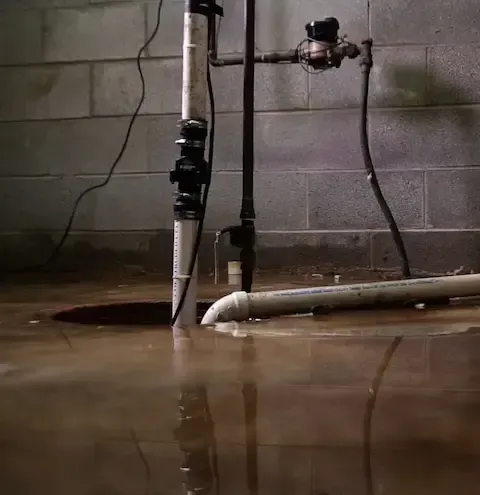
Franklin County's flat topography and Grove City's clay-heavy soils create drainage conditions that make sump pump performance critical. New homes in lower-lying subdivisions are almost universally built with sump pits, but the quality of the installation varies significantly. Common issues found in newer Grove City builds include:
- Float switches adjusted too high, allowing the pit to fill before the pump activates
- Discharge lines that are too long or improperly graded, reducing pump efficiency
- No battery backup system installed, leaving the home exposed during power outages from storms
- Discharge points that direct water back toward the foundation due to grading not being completed after construction
If your home is in a newer development and you have not had your sump system evaluated since moving in, it is worth doing before spring storm season. An Emergency Plumber call after a flooded basement is a far worse outcome than a one-time inspection now.
Water Heater Sizing and Venting Problems
Builder-grade water heaters are typically sized for minimum code compliance, not for the actual usage patterns of a full household. In Grove City developments where homes are marketed to families and often range from 2,000 to 3,500 square feet, a 40-gallon tank is sometimes installed in a home that realistically needs 50 to 80 gallons. You may not notice this until the first winter when morning demand peaks and hot water runs out after the second shower.
Beyond sizing, gas water heater venting connections in new builds occasionally fail early. Flue connections made during rough-in can come apart slightly once the system has gone through heating and cooling cycles. If you smell anything unusual near your water heater, or if you notice condensation forming in areas it should not, have the venting inspected by a qualified plumber before running the unit through another heating season.
What to Do in the First Year
The best approach for any new Grove City homeowner is a professional plumbing walkthrough within the first six to twelve months of occupancy. This is not the same as a home inspection. A licensed plumber will test pressure, check drain lines under real operating conditions, inspect the sump system, and assess the water heater installation in ways a general inspector cannot. Most issues caught at this stage are inexpensive to correct.
If you are already experiencing something that feels like a plumbing problem and you are unsure whether it falls under your builder's warranty, document everything. Take photos, note the date, and report it in writing to the builder's warranty department. Ohio's contractor warranty provisions do give new homeowners recourse for defects, but that protection depends on timely reporting.
For anything that is actively leaking, affecting water quality, or causing backup, do not wait for a warranty response. You can also read about related warm-weather concerns in our article on summer plumbing issues to watch for, which covers how seasonal conditions in central Ohio can compound problems that start in new construction homes.
Staying Ahead of the Curve in a Growing Community
Grove City's growth is not slowing down. New phases of existing developments continue to come online, and with them come new homeowners who are unfamiliar with the specific quirks of their builds. The plumbing systems in these homes are not bad by design, but they are not perfect either. Treating your new home's plumbing as something that needs early attention rather than assuming it will perform flawlessly for years is the mindset that prevents expensive surprises. A short inspection appointment now is the kind of proactive step that pays for itself many times over.
