
Does Heavy Rain Cause Sewer Backups in Grove City?
Yes, heavy rain can and does cause sewer backups in Grove City, OH. When storm volume exceeds what the sewer system can handle, water has nowhere to go except back through floor drains, toilets, and basement pipes. This happens because Grove City, like many older Columbus-area suburbs, uses combined or aging sewer infrastructure that struggles during intense rainfall events. Understanding why it happens — and what to do about it — can help you protect your home before the next storm hits.
Why Does Heavy Rain Cause Sewer Backups?
During a heavy rainstorm, enormous volumes of water enter the sewer system very quickly. Storm drains, surface runoff, and groundwater infiltration all dump into the same network. When the system reaches capacity, sewage and stormwater mix and reverse direction. The path of least resistance is often your home's lower drains — floor drains in basements, utility sinks, and toilets on the ground floor. Grove City sits in Franklin County, where older sewer lines were not always built to handle the rainfall totals that have become more common in central Ohio weather patterns.
Which Areas of Grove City Are Most at Risk?
Homes in lower-lying areas near Scioto Darby Creek and the older residential sections along Broadway and Kingston Avenue tend to see backup issues more frequently during storms. Properties built before the 1990s often have clay tile sewer lateral pipes that have developed cracks, root intrusion, or partial collapses over the decades. These compromised lines back up faster when system pressure spikes during rainfall. If your home has a basement and is connected to an older section of Grove City's municipal sewer network, your risk is elevated.
What Is the Difference Between a Sanitary Backup and a Storm Backup?
A sanitary sewer backup involves wastewater from your home and your neighbors' homes reversing into your drains. A storm sewer backup involves surface water overwhelming drainage infrastructure. Grove City has some areas with combined systems where both can occur at once. The distinction matters for insurance claims and for understanding what repair or prevention work applies. A licensed plumber can inspect your lateral line to determine whether the issue originates on your private property or within the municipal system.
How Can You Reduce the Risk Before the Next Storm?
There are concrete steps homeowners can take to reduce their exposure to rain-related sewer backups. Consider these protective measures:
- Install a backwater prevention valve on your main sewer lateral line — this is one of the most effective defenses against backflow into your basement
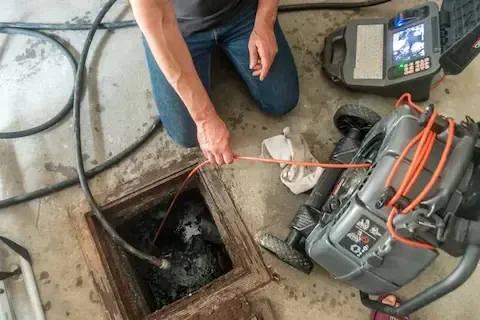
- Have your sewer lateral inspected with a camera to check for root intrusion, cracks, or debris buildup that would worsen under storm pressure
- Avoid running dishwashers or washing machines during heavy rain — adding wastewater volume when the system is already stressed increases backup risk
- Keep floor drain covers clear and make sure any floor drains in your basement are not connected to a sump pit without a check valve
- Extend downspouts away from your foundation to reduce the amount of surface water entering the soil near your lateral line
If you want professional help assessing your home's vulnerability, Sewer Backup Repair services in Grove City include camera inspections and backwater valve installation that can be scheduled before storm season peaks.
What Should You Do Immediately After a Backup During Rain?
If sewage has already entered your home during a storm, safety comes first. Do not walk through standing sewage water without protective gear. Shut off electricity to any areas where water is present. Do not use any plumbing fixtures — toilets, sinks, or showers — until the backup has been cleared, because adding more water will worsen the situation. Contact a plumber who handles emergency sewer service in Grove City and document everything with photos before cleanup begins for your insurance claim. For a complete checklist, review what to do during a backup to make sure you don't miss a critical step.
Does Homeowner's Insurance Cover Rain-Related Sewer Backups in Grove City?
Standard homeowner's insurance policies in Ohio typically do not cover sewer backup damage unless you have added a specific sewer backup rider or endorsement to your policy. Franklin County homeowners are often surprised to learn this after a storm event. Review your policy details before the next heavy rain season. If you rent your home in Grove City, renter's insurance also rarely covers sewer backup without a separate endorsement. Talk to your insurance agent specifically about backup and overflow coverage — not just general water damage coverage, which are treated differently by most carriers.
Is This a Problem You Can Solve Yourself or Does It Require a Professional?
Minor drain slowness can sometimes be resolved with basic maintenance, but rain-triggered sewer backups almost always have a root cause that requires professional diagnosis. The issue may be your private lateral line, a blockage in the municipal main that Grove City's public works department is responsible for, or a combination of both. A camera inspection is the only reliable way to know what you're dealing with. Attempting to snake or hydro-jet a backed-up line without knowing its condition can collapse a deteriorated clay pipe and turn a sewer backup into a full excavation job. In Grove City's older neighborhoods especially, professional assessment before any intervention is strongly recommended.
