What to Do During a Sewer Backup in Grove City, OH
A sewer backup is one of the most alarming plumbing emergencies a homeowner can face. Raw sewage on your basement floor or backing up into your tub is not just a mess — it is a genuine health hazard that carries bacteria, viruses, and other pathogens. If you are dealing with this situation in Grove City, OH right now, the steps you take in the first few minutes matter enormously. Acting quickly and correctly limits damage to your home, reduces health risks to your family, and gives a plumber the best possible conditions to diagnose and fix the problem.
Recognize the Warning Signs Before It Gets Worse
A sewer backup rarely happens without some warning. Before raw sewage appears on your floor, you may notice multiple drains slowing down at the same time, gurgling sounds coming from toilets or floor drains after you run the washing machine, or a persistent sulfur or sewage odor near lower-level drains. In Grove City homes — especially older properties along Demorest Road or neighborhoods built before 1980 — tree root intrusion and aging clay sewer lines are common culprits that give these early warnings weeks before a full backup occurs.
If you catch these signs early, you have a window to schedule an inspection before the situation becomes an emergency. If you are already past that point and sewage is actively backing up, move immediately to the steps below.
Stop Using All Water in the House Immediately
The single most important thing you can do right now is stop adding water to an overwhelmed sewer system. Every flush, every running faucet, every load of laundry pushes more volume into a line that cannot handle it. Tell everyone in the home to stop using toilets, sinks, showers, and appliances connected to a drain. Turn off the washing machine if it is running. Do not run the dishwasher.
This step seems obvious, but in the confusion of discovering sewage on the floor, it is easy to forget. Water use must stop until a plumber has assessed the line and cleared the blockage or repaired the damage.
Do Not Touch the Sewage Directly
Sewage water — often referred to as Category 3 or black water — contains harmful pathogens including E. coli, Hepatitis A, and other bacteria that can cause serious illness. If you need to move through an affected area, wear rubber boots, waterproof gloves, and avoid touching your face. Keep children and pets completely out of the space.
Do not attempt to mop, shop-vac, or handle the contaminated water with standard household equipment unless it is designated for hazardous cleanup. Contaminated water can seep into drywall, insulation, and flooring materials quickly, so note how far the water has spread without disturbing it further. This information will be useful for both the plumber and any restoration contractor you call afterward.
Locate Your Main Cleanout and Document the Situation
Most Grove City homes have a main sewer cleanout — a capped pipe, usually four inches in diameter, that provides direct access to the sewer line. It may be located in your basement, along the exterior foundation, or in a utility area. Locating it before the plumber arrives can save significant time on the service call.
While you are doing that, take clear photos and short video clips of every affected area. Capture the source of the backup, the extent of the water spread, and any visible damage. This documentation is critical for insurance claims and gives the plumber a useful baseline before they begin their inspection.
Turn Off Electricity in Affected Areas if It Is Safe to Do So
If sewage water has reached areas near electrical outlets, panel boxes, or appliances, electricity in those zones needs to be shut off. Do not step into standing water to reach a switch or panel. If the breaker box is in a dry, unaffected area, turn off the circuits serving the flooded space. If there is any doubt about whether it is safe to access electrical controls, leave the house and wait for a professional.
This is not a moment to take risks. Electrical hazards combined with standing water create life-threatening conditions, and no item in a flooded basement is worth that risk.
Call a Licensed Plumber — Not Just a Drain Service
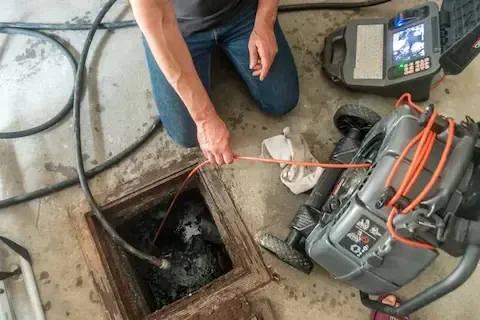
There is an important distinction between a drain cleaning service and a licensed plumber. A simple clog near a fixture might respond to snaking, but a sewer backup — especially one affecting multiple drains or recurring after previous cleaning — usually indicates a deeper problem. You need a plumber equipped with a sewer camera to locate the exact cause, whether that is root intrusion, a collapsed line, grease buildup deep in the system, or a blockage in the city lateral.
For Grove City residents, Sewer Backup Repair from a licensed local plumber means someone familiar with the infrastructure patterns in Franklin County, the soil conditions that stress older lines, and the specific permit and inspection requirements the city may impose for line repairs or replacements.
If the backup appears to involve the city main rather than your private lateral, contact the Grove City Public Service Department as well. They are responsible for the public portion of the sewer system and can investigate whether a main line issue is contributing to the problem at your property.
Understand What the Repair Process Involves
Once the plumber arrives and runs a camera inspection, you will have a much clearer picture of what caused the backup and what it will take to fix it. Common outcomes include hydro-jetting to clear a grease or root blockage, spot repair to address a cracked or offset section of pipe, or in more serious cases, full sewer line replacement using trenchless methods or open excavation.
For a thorough overview of what each repair method involves, costs, and timelines, read our complete sewer backup repair guide before your appointment. Going into the conversation informed helps you ask the right questions and make confident decisions without feeling pressured.
Plan for Cleanup and Restoration
After the plumber has cleared or repaired the line, the cleanup phase begins. Sewage-affected areas require professional remediation — not a standard cleaning service. A certified water damage restoration company will extract contaminated water, treat surfaces with antimicrobial agents, remove porous materials that cannot be sanitized, and use industrial drying equipment to prevent mold growth.
In Grove City, many homeowners discover during this process that their standard homeowner's insurance policy does not cover sewer backup unless they specifically added that rider. Contact your insurance provider as soon as the immediate emergency is stabilized. Document everything. Keep all receipts for plumbing, remediation, and temporary housing if the home becomes uninhabitable during repairs.
Take the Experience as a Signal to Prevent the Next One
A sewer backup is not just a repair event — it is a warning about the condition of your sewer line. After the immediate crisis is resolved, ask your plumber to provide the camera inspection footage and a written assessment of the line condition. Older Grove City neighborhoods, particularly those with original clay or cast iron laterals, benefit from periodic maintenance inspections every few years rather than waiting for the next emergency.
Simple habits also help: avoid flushing wipes, paper towels, or hygiene products regardless of what the packaging says, keep grease out of kitchen drains, and have any large trees near your sewer line evaluated for root proximity. Prevention is far less disruptive — and far less expensive — than the emergency you just experienced.
