Madison County's Oldest Homes Run Pipes That Have Outlasted Their Design Life
Emergency plumber serving London, Ohio and Madison County, on call 24 hours a day with dispatch from Grove City.
Downtown London's Victorian and Mid-Century Stock
Properties in London's downtown core and surrounding residential streets include structures dating to the late 19th and early 20th centuries — a building age range that places original plumbing systems well beyond any reasonable expectation of continued reliable service. Cast iron and galvanized steel dominated residential plumbing installation through the mid-20th century, and in London's older housing blocks, significant portions of original pipe may still be in place beneath floors and inside walls where no repair event has required accessing them. The absence of a visible failure history does not mean the pipe is in good condition — it means the pipe has not failed visibly yet. Internal corrosion in galvanized steel and cast iron is progressive and not observable without camera access. A galvanized supply line that has been in service for eighty years and has never been inspected represents a genuine uncertainty: it may have another decade of service or another month. Commercial properties along London's older downtown corridor add a different consideration. Buildings with ground-floor commercial use and upper-floor residential or storage present a mixed-use plumbing challenge — drain loads from commercial operations on the ground floor stress systems designed for lighter residential use, and modifications made over the decades have often been additive rather than comprehensive. Mixed-use drain systems have multiple failure points that residential-only diagnostics can overlook if the commercial use history is not factored into the assessment from the start.
Agricultural Area Properties and Extended Infrastructure
Agricultural areas surrounding London extend the emergency plumbing context beyond village residential into a category of properties operating with infrastructure not found in urban or suburban settings. Working farms and rural residential properties on well water have plumbing systems that depend on the well, the pump, the pressure tank, and any treatment system functioning as a unit — a failure at any point in that chain eliminates water access for the entire property. Pressure loss without an obvious leak is a common presenting symptom on rural Madison County properties: the well pump may have lost prime, the pressure switch may have failed, the pressure tank may be waterlogged, or the foot valve at the bottom of the well may have deteriorated. Each of these causes requires a different resolution, and they are not distinguishable without measuring pressure behavior at the tank and checking pump draw. Properties with outbuildings, barns, or workshop spaces connected to the main supply system add additional supply line exposure — exterior runs between structures are subject to freeze events that interior lines avoid, and those connections may not have been winterized or upgraded since original installation. Septic systems are also more common on rural Madison County parcels than in the Franklin County suburban context, and a septic backup on a working farm property introduces operational urgency beyond the typical residential inconvenience. Confirming the property's water source and drain configuration at the start of the call allows the right equipment to be on the truck before arrival.
Historic Building Plumbing and Multi-Material Systems
Historic Building Plumbing and Multi-Material Systems
Water emergencies at rural properties outside London typically center on the well and pressure system rather than the distribution network inside the structure, and the diagnostic sequence differs from urban or suburban calls. The first indicator — loss of pressure or flow — does not point to a single cause. Pressure that drops gradually and holds low suggests a waterlogged pressure tank or a pressure switch reading inaccurately. Pressure that cycles rapidly from low to normal and back suggests a pressure tank that has lost its air charge — a condition that also causes the pump to short-cycle, which can burn out the pump motor over time if not corrected. Loss of pressure that drops to zero and does not recover suggests pump failure or a break in the supply line between the well and the pressure tank. Each requires a different response, and starting with the wrong assumption extends the total downtime. Properties with outbuildings served by the main supply system add pipe exposure vulnerable to freeze events: exterior supply lines running between structures — especially underground lines installed before frost line standards were applied to rural property — can freeze during sustained cold snaps and rupture when thaw occurs. The thaw phase is often when the break is discovered because water flow only resumes when the ice melts. Addressing this failure requires tracing the exterior line and locating the break point before repair — a process that benefits from knowing the property's outbuilding layout in advance of arrival.
Historic Building Plumbing and Multi-Material Systems
Drain and sewer emergencies in London OH properties span both the municipal sewer system within the village core and private septic systems on surrounding rural parcels. Within the village, the sewer lateral condition in older blocks reflects the same aging pattern as the housing stock — clay tile and cast iron laterals from mid-century installations are at or past their design service life, with root intrusion and joint separation as the most common emergency causes. A drain backup in a London downtown property may involve a lateral that has not been inspected since original installation, which means camera inspection is not a procedural formality but the only way to know whether the response should be a jetting service, a liner installation, or an excavation and section replacement. Older commercial properties add drain capacity considerations: a ground-floor commercial operation that has run for decades has likely accumulated grease deposits through the drain system far enough downstream that a simple in-line cleanout does not reach them. Grease accumulation in older clay tile drain lines — which are more permeable than modern plastic — can create deposits that have partially mineralized and do not respond to standard hydro-jetting without higher pressure and specialized cutting nozzles. On rural parcels, septic emergencies require assessment before any corrective action: pumping a tank that has a failed distribution system does not resolve the backup — it buys time while the actual infrastructure failure remains unaddressed. The correct response sequence for a London area septic emergency begins with identifying which component has failed.
Comprehensive Plumbing Services in Grove City
Tailored to Your Needs
Grove City Plumber handles the full range of emergency and residential plumbing services Grove City homeowners need. Every service is available 24/7 — because plumbing emergencies do not follow business hours. Grove City housing stock runs from 1950s ranches near Town Center to subdivisions built in the last decade, and the plumbing under them is just as varied. Galvanized supply lines, clay sewer laterals, copper, and PEX all fail differently and none of them are fixed the same way. Knowing which one is behind your wall before we start is the difference between a repair that holds and a repair you call back about. That is why every visit starts with a diagnosis rather than a quote. We identify what actually failed and why, explain what we found in terms that make sense, and give you the price before any work begins. When a repair will not hold, we say so. When something can safely wait, we say that too. Licensed and insured Ohio plumbers, serving Grove City, Jackson Township, and the surrounding Franklin County communities every day of the year including holidays.
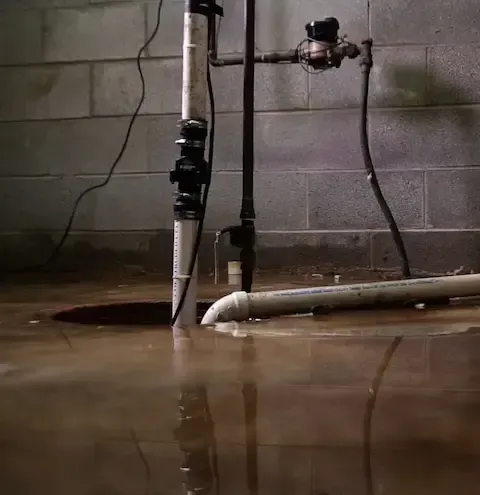
Grove City's 24/7 emergency plumbing team - fast dispatch, upfront pricing, same-night service.
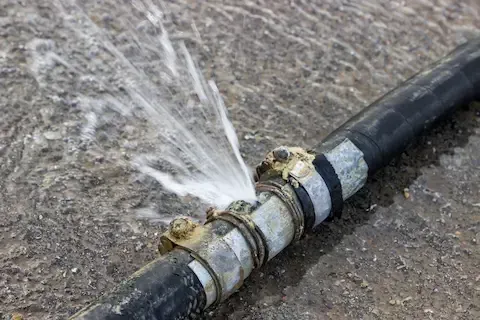
24/7 burst pipe emergency repair - fast response, single-visit resolution when possible.
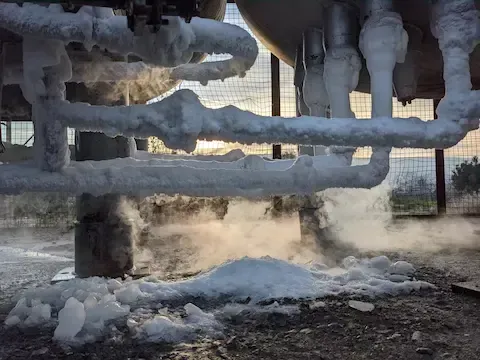
Frozen pipe service before rupture - safe thawing and full run assessment in a single visit.
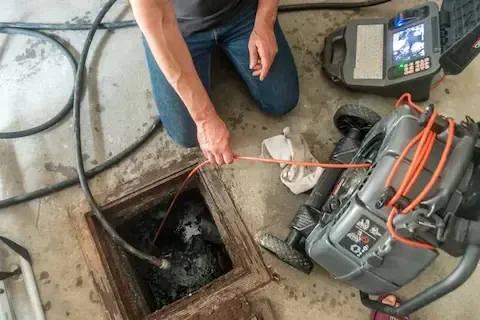
Sewer backup cleared with on-board camera and jetting - no second trip for equipment.
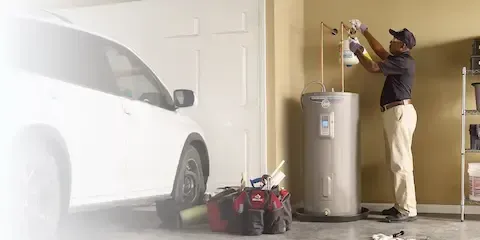
Same-day water heater diagnosis, repair, and replacement - tank and tankless units served.
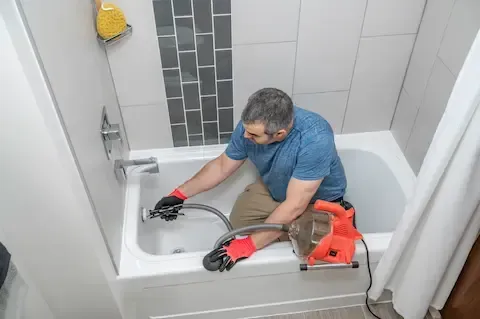
Full drain cleaning service - kitchen, bath, and main line - with video inspection before clearing.
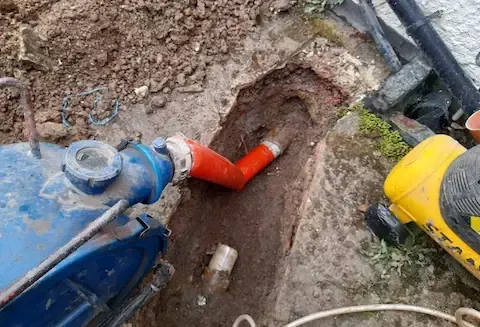
Pipe leak repair and hidden leak detection - we find it before it becomes structural damage.
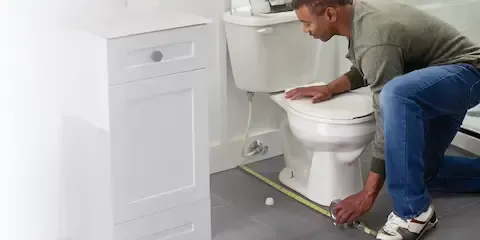
Emergency toilet repair and replacement - clogs, mechanical failures, and same-day installation.
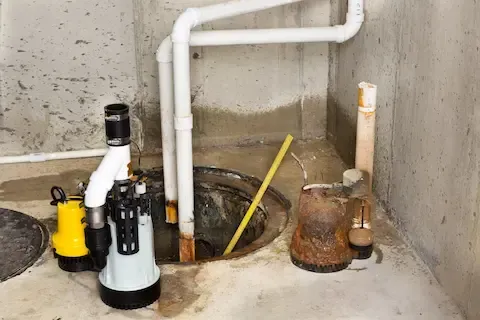
24/7 sump pump repair and replacement with battery backup installation for storm protection.
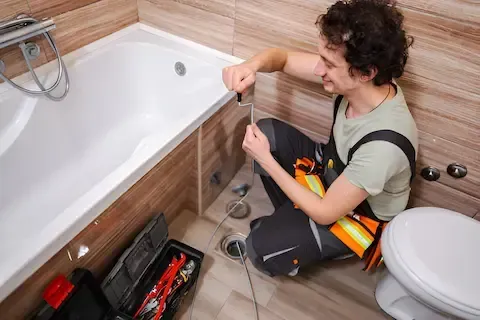
Whole-home plumbing inspections with written reports - pre-purchase, annual, and post-event.
Frequently Asked Questions
Plumbing can be complex, and we’re here to provide answers to common questions. Here are some frequently asked questions from our clients.
Frequently Asked Questions about Emergency Plumber Grove City OH
How fast can an emergency plumber reach Grove City?
Most Grove City calls are responded to within 45 to 60 minutes. For Jackson Township properties directly adjacent to Grove City, response times are similar. We operate 24/7 including holidays.
What counts as a plumbing emergency in Grove City?
Burst pipes, active sewer backups, water heater failures, flooding, frozen pipes, and any situation where water is actively damaging your home qualify as plumbing emergencies. When in doubt, call - after-hours triage is part of the service.
How much does an emergency plumber cost in Grove City?
After-hours emergency rates in Grove City run higher than standard daytime service calls. You will receive upfront pricing before any work begins - no surprises on the final invoice regardless of when you call.
Do you handle sewer backups in Grove City?
Yes. Sewer backups require a plumber equipped with camera inspection and hydro-jetting equipment. We carry the right tools on every vehicle so we can assess and clear the blockage in a single visit.
Will homeowner's insurance cover emergency plumbing in Grove City?
Sudden and accidental damage such as a burst pipe is typically covered under standard homeowner policies. Gradual leaks often are not. Document damage before cleanup and contact your insurer promptly - we provide itemized invoices for insurance claims.
Do you serve Jackson Township as well as Grove City proper?
Yes. Jackson Township is the unincorporated area surrounding Grove City proper and we serve the full area. Call with your address and we will confirm coverage immediately.
Need Plumbing?
What Our Satisfied Clients Have to Say About Grove City Plumber
We pride ourselves on delivering great results and experiences for each client. Hear directly from home and business owners who’ve trusted us with their Plumbing needs.

Pipe burst in our basement at 11 PM on a Tuesday. Had someone at our Grove City house within the hour. Water stopped, damage assessed, repair done same night. This is exactly what emergency service should look like.
Karen M.
Water heater gave out on a Sunday morning. They showed up, diagnosed a failed element, and had hot water back on before noon. No runaround, no waiting until Monday. Already recommended them to two neighbors on our street.
Tom Strickland
Sewer backup came up through the basement floor drain. The technician ran a camera, found a root blockage in the lateral, and cleared it the same visit. Fair price, clean work, explained everything before starting. Would use again without hesitation.
Diane Weaver
The Trusted Plumbing Expert Near You
Ready to hear more about expert services at Grove City Plumber?
Contact us today to receive a detailed, no-obligation quote.
More About Emergency Plumbing
We share helpful articles about emergency plumbing to answer common questions, explain options, and give a better sense of what to expect. Whether you're taking care of your own home or responsible for a larger property, these resources are meant to make planning and decision-making a little easier.
24/7/365 Emergency Service - Regular Hours: Mon-Fri 7am-6pm, Sat-Sun Noon-5pm
Licensed and insured Ohio plumbers serving Grove City and Jackson Township, on call 24 hours a day including holidays.

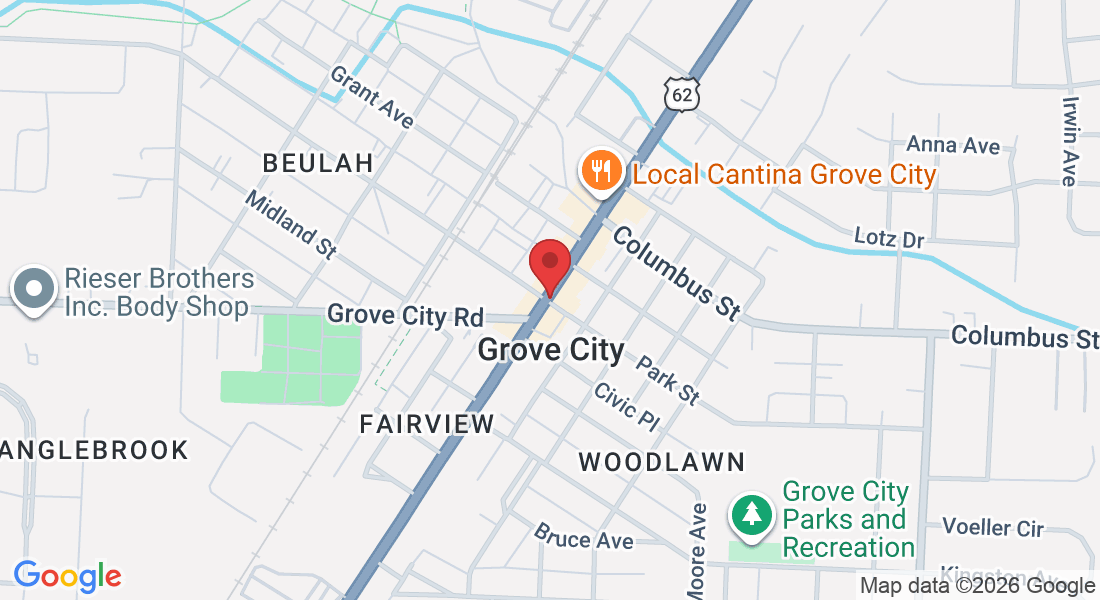
Serving Grove City and the surrounding Columbus metro