
Plumbing Emergencies in Obetz Hit Older Residential Streets and Active Work Sites Alike
Residential Stock Built Before Modern Plumbing Standards
Residential properties in Obetz are concentrated in a compact area adjacent to major industrial and freight corridors, and the housing stock reflects a development pattern that peaked several decades ago. Most homes in the residential sections of Obetz were built between the 1940s and the early 1980s — a period that predates modern supply line materials by at least two decades in the older portions. Galvanized steel supply piping and cast iron drain systems dominate the infrastructure inside walls and below slabs in these structures. Unlike suburban communities where development has been more continuous, Obetz's residential core has not seen significant new construction that would blend in updated plumbing systems. The result is a housing stock that is relatively consistent in its age profile and, by extension, consistent in what tends to fail and when. Water line failures in this setting often come without warning — galvanized pipe that has been running at reduced capacity for years finally fractures at a corroded section, releasing supply-pressure water into a wall cavity, crawl space, or basement. Cast iron drain systems that have served the same structure for sixty or seventy years develop corrosion perforations, joint failures, and in some cases complete section collapses. When those failures occur in a crawl space or basement, the detection timeline can extend long enough that secondary damage becomes a significant factor in total repair scope. The combination of age, material type, and confined residential density makes Obetz a market where plumbing failures escalate faster than in newer-built communities.
High-Activity Areas and Infrastructure Pressure
Industrial and freight activity surrounding Obetz's residential core creates a secondary set of plumbing stress factors that are not present in purely residential suburban communities. Heavy truck traffic on adjacent roadways generates vibration that, over years, can loosen threaded fittings, stress solder joints, and accelerate failure at any connection already showing age-related fatigue. This vibration load is intermittent but cumulative — a water line connection that would last another five years in a quiet suburban setting may reach its failure point earlier in a high-vibration environment. Ground compaction and soil displacement from nearby construction and logistics activity can also stress buried service lines, particularly older clay or cast iron sewer laterals not designed with significant ground movement tolerance. Properties adjacent to high-activity commercial and industrial zones may have experienced ground shift events that have never been reflected in the plumbing's service history because the effects accumulate gradually. A sewer lateral inspection camera is the only way to know the current condition of an underground lateral in this environment. When an emergency sewer backup occurs at an Obetz residential property, the cause may be root intrusion, vibration-induced joint separation, or compaction damage — each requiring a different resolution approach. Starting with camera inspection is not optional in this environment; it is the step that determines whether jetting, repair, or replacement is the correct path and prevents adding damage by applying the wrong treatment to a compromised lateral.
Drain Failures in Mid-Century Obetz Homes
Drain system failures in Obetz homes follow the predictable pattern of aging cast iron — progressive corrosion that narrows internal diameter and weakens pipe walls until either a blockage forms or a section perforates. The main stack and horizontal drain runs in a home from the 1950s or 1960s that has never had a plumbing replacement are now operating at the upper end of cast iron's functional service range. That does not mean imminent failure in every case, but it means any symptom — a slow drain, a recurring backup at the main cleanout, discolored water after a drain cleaning — warrants camera inspection rather than a chemical treatment or a simple snake run. A snake that clears a partial blockage in a corroded cast iron line can also punch through a section that was structurally compromised, converting a blockage into a perforation. Understanding the difference between a blockage that can be cleared mechanically and a section of pipe that has corroded past the point where mechanical clearing is safe requires seeing the interior of the pipe. Hydro-jetting through a corroded cast iron system near structural failure can cause the same outcome. The diagnostic sequence — camera first, then treatment decision — prevents introducing a second failure event during the response to the first one. In older Obetz homes, the approach to drain emergencies should account for the possibility that the pipe material is at or past its practical service ceiling, and that the correct response is assessment and staged replacement rather than aggressive mechanical intervention.
Sewer Lateral Damage Near High-Traffic Corridors
Sewer lateral failures near high-traffic corridors require a diagnostic approach that extends beyond the typical root-intrusion or grease-buildup assessment used in standard suburban settings. Ground compaction from sustained truck traffic on adjacent roadways creates lateral stress on underground pipe systems that does not occur in residential-only environments. Clay tile or cast iron laterals in Obetz properties that run beneath or adjacent to roadway loading zones may have experienced joint compression, section displacement, or partial collapse from ground movement that has nothing to do with tree root activity or material age in isolation. When a sewer backup occurs at an Obetz property, the standard question — root intrusion or blockage? — needs to be expanded to include whether there is structural damage from external load or ground movement. The answer changes the response significantly. A lateral with root intrusion and intact structure responds to hydro-jetting and root treatment. A lateral with a collapsed or displaced section requires excavation and section replacement — no amount of jetting will restore function because the flow path is physically compromised. Camera inspection of the lateral from the cleanout to the street main is the only way to distinguish between these outcomes before any work begins. Dispatching a jetter to an Obetz address without first running a camera creates the risk of forcing additional damage at a section that was already at or past structural integrity. This distinction is more consequential in Obetz than in low-vibration residential communities precisely because the external load factor is real here.
Burst Pipe Response and Damage Containment
Burst pipe emergencies in Obetz homes require immediate action to limit water damage scope, and the response is more complex in older homes where the pipe network is not well documented. The first step — supply isolation — is the same regardless of home age or pipe material: locating the main shutoff and operating it stops new water from entering the break point. In homes where the shutoff has not been operated in years, the valve itself may be stiff, seized, or partially failed, which creates a secondary problem during the response. Main shutoff valves in homes from the 1940s through the 1970s are often gate valves rather than ball valves — gate valves can fail to fully close if they have not been operated since original installation, and attempting to force them risks breaking the valve body. Having a plumber who understands the valve types present in mid-century homes is directly relevant to whether supply isolation is achievable at the interior shutoff or requires going to the curb box. After supply isolation, identifying the break location in an older Obetz home is not always straightforward. Galvanized supply networks do not follow modern installation conventions, and pipe routing inside walls and ceilings was not always documented. A burst at an inaccessible section of pipe in a plaster wall structure is a more complex repair than a break at an accessible junction, and the damage assessment scope expands for every hour water has been flowing. Pre-arrival confirmation of the home's age and construction type helps calibrate the response to what is actually present.
Comprehensive Plumbing Services in Grove City
Tailored to Your Needs
Grove City Plumber handles the full range of emergency and residential plumbing services Grove City homeowners need. Every service is available 24/7 — because plumbing emergencies do not follow business hours. Grove City housing stock runs from 1950s ranches near Town Center to subdivisions built in the last decade, and the plumbing under them is just as varied. Galvanized supply lines, clay sewer laterals, copper, and PEX all fail differently and none of them are fixed the same way. Knowing which one is behind your wall before we start is the difference between a repair that holds and a repair you call back about. That is why every visit starts with a diagnosis rather than a quote. We identify what actually failed and why, explain what we found in terms that make sense, and give you the price before any work begins. When a repair will not hold, we say so. When something can safely wait, we say that too. Licensed and insured Ohio plumbers, serving Grove City, Jackson Township, and the surrounding Franklin County communities every day of the year including holidays.
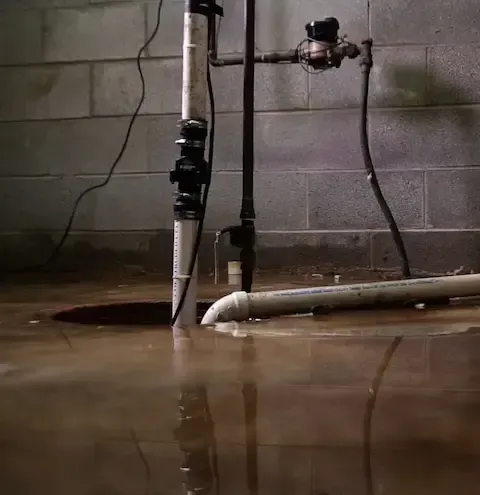
Grove City's 24/7 emergency plumbing team - fast dispatch, upfront pricing, same-night service.
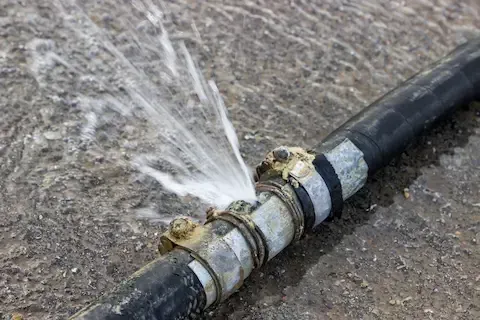
24/7 burst pipe emergency repair - fast response, single-visit resolution when possible.
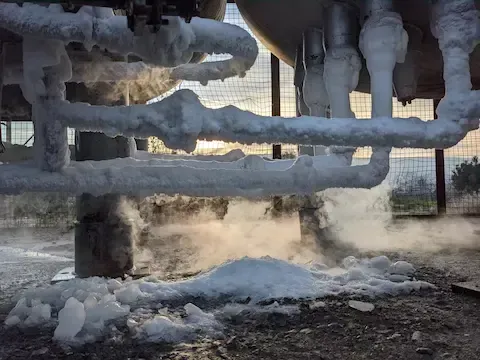
Frozen pipe service before rupture - safe thawing and full run assessment in a single visit.
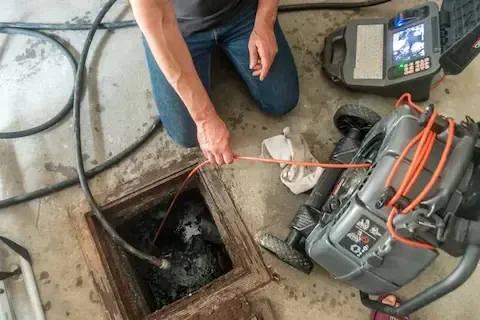
Sewer backup cleared with on-board camera and jetting - no second trip for equipment.
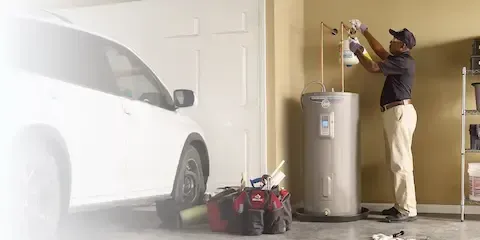
Same-day water heater diagnosis, repair, and replacement - tank and tankless units served.
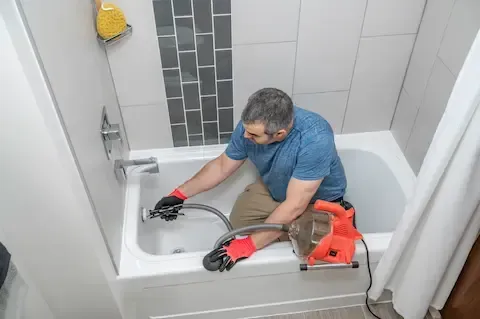
Full drain cleaning service - kitchen, bath, and main line - with video inspection before clearing.
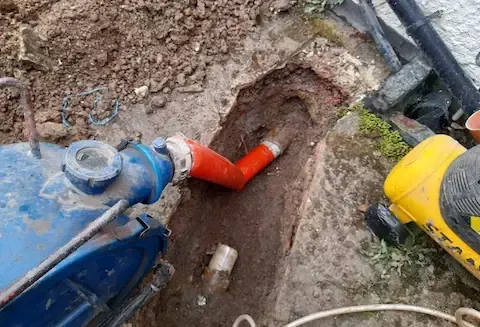
Pipe leak repair and hidden leak detection - we find it before it becomes structural damage.
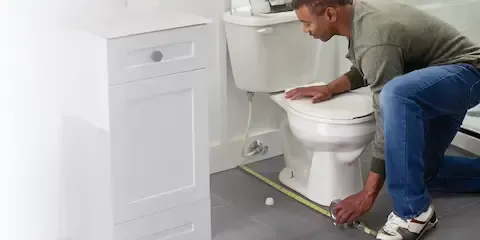
Emergency toilet repair and replacement - clogs, mechanical failures, and same-day installation.
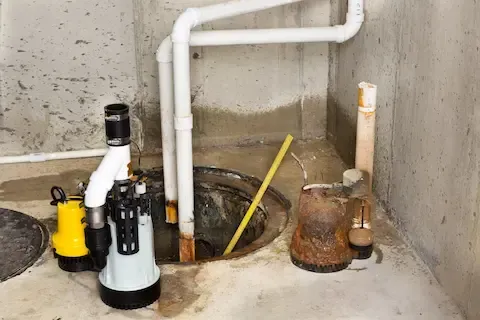
24/7 sump pump repair and replacement with battery backup installation for storm protection.
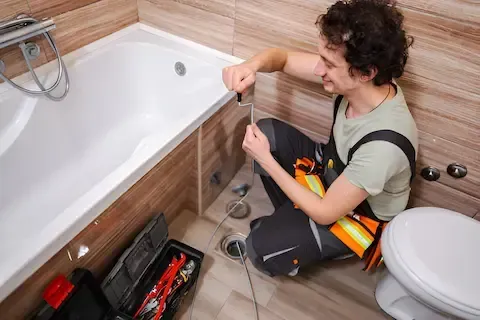
Whole-home plumbing inspections with written reports - pre-purchase, annual, and post-event.
Frequently Asked Questions
Plumbing can be complex, and we’re here to provide answers to common questions. Here are some frequently asked questions from our clients.
Frequently Asked Questions about Emergency Plumber Grove City OH
How fast can an emergency plumber reach Grove City?
Most Grove City calls are responded to within 45 to 60 minutes. For Jackson Township properties directly adjacent to Grove City, response times are similar. We operate 24/7 including holidays.
What counts as a plumbing emergency in Grove City?
Burst pipes, active sewer backups, water heater failures, flooding, frozen pipes, and any situation where water is actively damaging your home qualify as plumbing emergencies. When in doubt, call - after-hours triage is part of the service.
How much does an emergency plumber cost in Grove City?
After-hours emergency rates in Grove City run higher than standard daytime service calls. You will receive upfront pricing before any work begins - no surprises on the final invoice regardless of when you call.
Do you handle sewer backups in Grove City?
Yes. Sewer backups require a plumber equipped with camera inspection and hydro-jetting equipment. We carry the right tools on every vehicle so we can assess and clear the blockage in a single visit.
Will homeowner's insurance cover emergency plumbing in Grove City?
Sudden and accidental damage such as a burst pipe is typically covered under standard homeowner policies. Gradual leaks often are not. Document damage before cleanup and contact your insurer promptly - we provide itemized invoices for insurance claims.
Do you serve Jackson Township as well as Grove City proper?
Yes. Jackson Township is the unincorporated area surrounding Grove City proper and we serve the full area. Call with your address and we will confirm coverage immediately.
Need Plumbing?
What Our Satisfied Clients Have to Say About Grove City Plumber
We pride ourselves on delivering great results and experiences for each client. Hear directly from home and business owners who’ve trusted us with their Plumbing needs.

Pipe burst in our basement at 11 PM on a Tuesday. Had someone at our Grove City house within the hour. Water stopped, damage assessed, repair done same night. This is exactly what emergency service should look like.
Karen M.
Water heater gave out on a Sunday morning. They showed up, diagnosed a failed element, and had hot water back on before noon. No runaround, no waiting until Monday. Already recommended them to two neighbors on our street.
Tom Strickland
Sewer backup came up through the basement floor drain. The technician ran a camera, found a root blockage in the lateral, and cleared it the same visit. Fair price, clean work, explained everything before starting. Would use again without hesitation.
Diane Weaver
The Trusted Plumbing Expert Near You
Ready to hear more about expert services at Grove City Plumber?
Contact us today to receive a detailed, no-obligation quote.
24/7/365 Emergency Service - Regular Hours: Mon-Fri 7am-6pm, Sat-Sun Noon-5pm
Licensed and insured Ohio plumbers serving Grove City and Jackson Township, on call 24 hours a day including holidays.

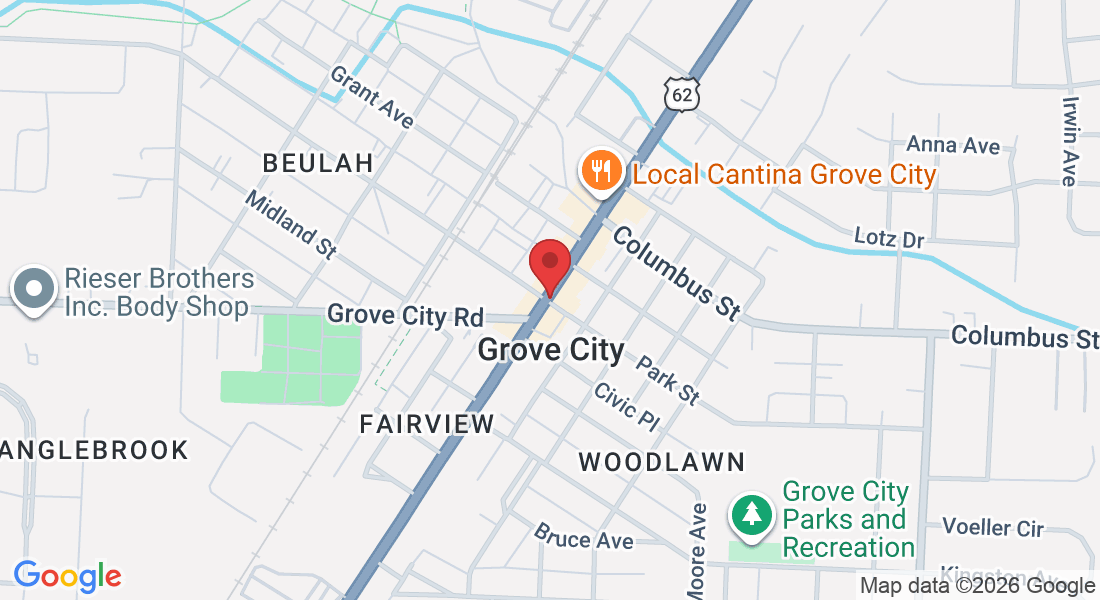
Serving Grove City and the surrounding Columbus metro